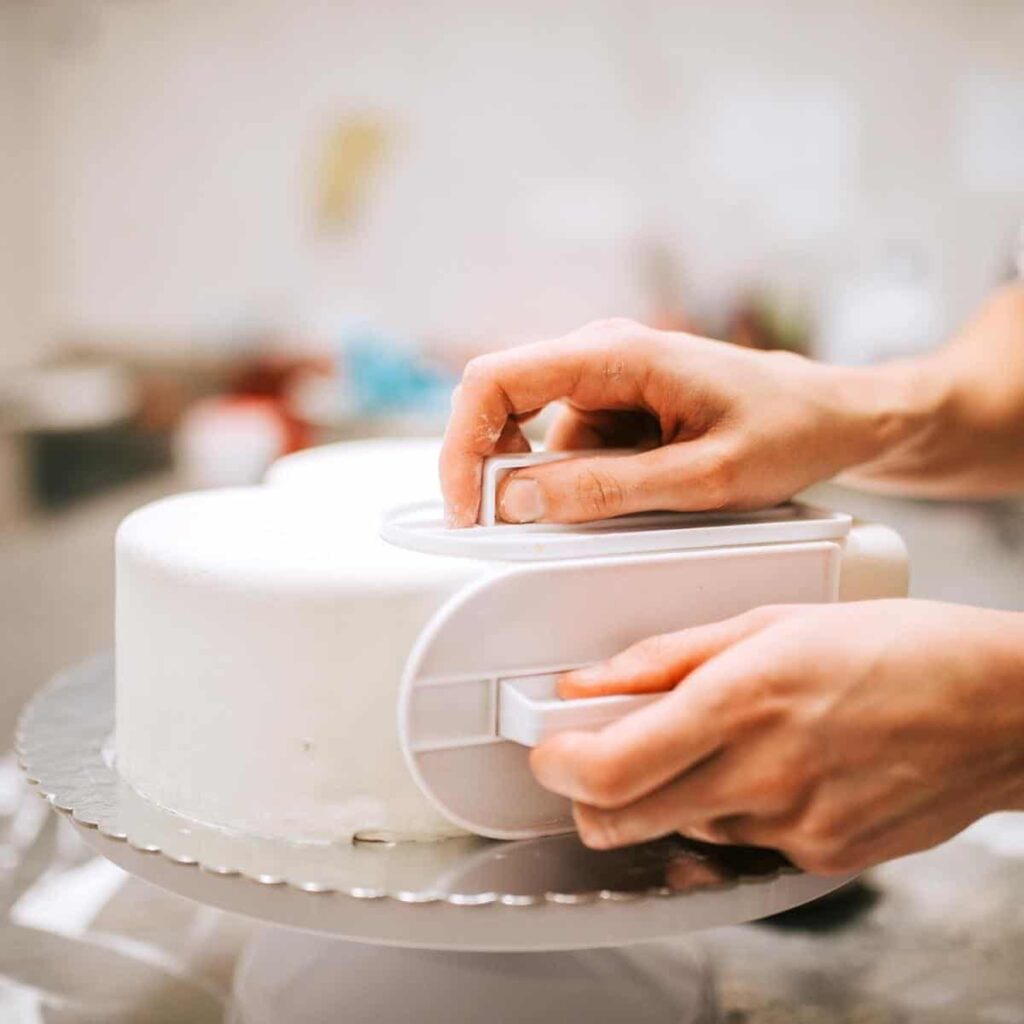
Baking a cake isn’t just about mixing flour, sugar, and eggs—it’s about creating a treat that brings people together. Whether you’re preparing a fluffy sponge cake for a birthday, a moist chocolate cake for dessert, or a simple vanilla cake for afternoon tea, knowing the basics of how to make a cake can turn your kitchen into a little bakery.
Table of Contents
Introduction
1. Choosing the Right Ingredients
2. Essential Baking Equipment
3. Preparing Your Baking Space
4. Mixing & Combining Ingredients
5. Baking the Cake
6. Cooling & Removing Cake from Pan
7. Frosting & Decorating
8. Common Cake Baking Mistakes & Fixes
9. Healthier Cake Alternatives
10. Advanced Baking Tips for Perfect Cakes
11. Frequently Asked Questions on cake making (FAQs)
12. Conclusion & Call-to-Action
The first time I tried learning how to make cake, my batter overflowed, my oven smoked, and my kitchen was a mess. But that failure sparked a passion. Baking isn’t just about recipes—it’s about patience, creativity, and joy. Every mistake leads you closer to the perfect slice.
When people search for how to make cake, they’re often looking for more than just a recipe. They want to understand the process, the mistakes to avoid, and the secrets that make a cake truly irresistible. Whether you’re baking for a birthday, a casual weekend, or simply for fun, mastering cake-making brings both joy and pride. In this guide, we’ll explore every step of the process, from gathering ingredients to decorating like a pro. Along the way, I’ll share practical tips, lessons from experience, and expert advice to make sure your cake comes out perfect every single time.
With the right ingredients, proper measurements, and a few expert cake baking tips, anyone can learn how to bake a cake that’s soft, moist, and full of flavor. If you’ve ever wondered how to bake a cake step by step, what makes a cake soft and moist, or easy homemade cake recipes, you’re in the right place.
Choosing the Right Ingredients
When people ask me how I learned how to make cake, I always smile and say, “It all starts with the ingredients.” The truth is, no matter how perfect your oven temperature or mixing technique might be, the quality and type of cake ingredients you choose will always define the outcome. Think of ingredients as the foundation of a house—strong foundations lead to beautiful results.
The Role of Flour in Cake-Making
Flour is the backbone of every cake recipe. It provides structure, texture, and strength. When you’re figuring out how to make cake fluffy, the flour you use makes a huge difference. All-purpose flour is the go-to choice for most cakes because it strikes a balance between strength and softness. However, if you want a lighter, more delicate cake (like a sponge or chiffon), cake flour is your best friend. Its lower protein content creates a tender crumb that practically melts in your mouth.
On the other hand, if you use bread flour by mistake, your cake may end up dense and chewy, which is the opposite of what most people want in a cake. A quick baking tip: always sift your flour before mixing. This not only removes lumps but also aerates it, giving you that light and airy texture.
Sugar: More Than Just Sweetness
Sugar doesn’t just sweeten—it transforms. It tenderizes the cake, creates moisture, and even helps with browning. Granulated sugar is the classic choice, but don’t ignore other options. Brown sugar adds depth and a hint of caramel, while powdered sugar works beautifully in frostings and glazes.
One common question in any step-by-step guide to make cake is whether you can reduce the sugar. Yes, you can, but be careful. Cutting too much sugar will make your cake dry and flavorless. If you’re looking for healthier alternatives, consider honey, maple syrup, or coconut sugar, but remember that liquid sweeteners may require adjusting the flour and liquid balance in your recipe.
Fats: The Secret to Moisture and Flavor
Butter, oil, and margarine all bring something unique to the table. Butter adds richness and flavor that’s hard to beat. Oil, on the other hand, makes cakes incredibly moist and is perfect for chocolate or carrot cakes. Margarine can work in a pinch, but if you want bakery-style results, butter is worth the investment.
If you’re learning how to make cake without oven (yes, it’s possible in a microwave or stovetop), oil is often the preferred fat since it distributes evenly and holds moisture better in unconventional cooking methods.
Eggs: The Unsung Hero
Eggs are often overlooked, yet they play a critical role in structure, moisture, and binding. They help cakes rise and give them stability. Too few eggs, and your cake may collapse. Too many, and it could be rubbery.
Here’s a tip I learned after several failed attempts: always use eggs at room temperature. Cold eggs don’t incorporate well into the batter and may cause uneven textures. And if you’re vegan or allergic, don’t worry—there are excellent substitutes like flaxseed meal, chia seeds, or applesauce that still produce delicious results.
Liquids: Bringing It All Together
Milk, water, and cream are the liquids that bind your ingredients into a smooth batter. Whole milk is the most commonly used, but buttermilk is a hidden gem. Its acidity reacts with baking soda to give your cake extra fluffiness. If you’re going dairy-free, almond milk or oat milk can be used, though they may slightly alter the flavor.
Flavorings: The Personality of Your Cake
Here’s where creativity shines. Vanilla extract is a staple, and for good reason—it enhances every flavor in your cake. Cocoa powder turns a plain cake into a chocolate lover’s dream. Spices like cinnamon, nutmeg, or cardamom add warmth. Citrus zest brings brightness and freshness.
When people ask me for baking tips, I often tell them not to skimp on good-quality vanilla. Cheap extracts or artificial flavorings can leave your cake tasting flat. A little goes a long way with real vanilla or freshly grated citrus zest.
Freshness and Quality Matter
One of the biggest lessons I learned in my baking journey is that stale ingredients lead to disappointing cakes. Old flour can taste bitter, and baking powder or baking soda that’s past its prime won’t give you the rise you need. Always check expiration dates before you start mixing.
The Golden Rule: Balance
The magic of learning how to make cake lies in the balance. Each ingredient plays its part. Too much flour makes it dry. Too little sugar makes it bland. Skimping on fat leaves it dense. Mastering this balance, and knowing when you can experiment, is what separates a decent cake from a truly unforgettable one.
So, before you even turn on the oven, take a moment to appreciate your ingredients. Choose them wisely, measure them carefully, and respect their roles. With the right ingredients in place, you’re already halfway to success in your cake-baking journey.
Essential Baking Equipment
When people think about how to make cake, they usually picture mixing bowls and a whisk. While that’s partly true, having the right baking equipment makes the entire process smoother, more enjoyable, and more consistent. You don’t need a professional bakery setup to get started, but investing in a few essentials will save you frustration and failed cakes.
Mixing Bowls and Measuring Tools
Every cake recipe begins with mixing. Sturdy mixing bowls are the heart of your preparation. Stainless steel or glass bowls are the best because they don’t retain odors and are easy to clean. Plastic bowls can work, but they sometimes hold onto grease, which may interfere with whipping egg whites or cream.
Accurate measurement is another cornerstone. If you want to master step-by-step guide to make cake, a set of measuring cups and spoons is non-negotiable. Baking is a science, and a little extra flour or sugar can make a huge difference in the final result. For even more accuracy, consider getting a digital kitchen scale. Professional bakers swear by it.
Whisks, Spatulas, and Mixers
A good whisk is essential for beating eggs, mixing dry ingredients, and even helping to aerate your batter. Silicone spatulas are your best friend for scraping down the sides of bowls so nothing goes to waste. They also withstand heat, which means you can use them when melting chocolate or butter.
If you want to level up, invest in a hand mixer or, better yet, a stand mixer. These save time and energy, especially when creaming butter and sugar—a step that’s vital when learning how to make cake fluffy and moist.
Cake Pans and Shapes
The type of pan you use affects not only the look of your cake but also how evenly it bakes. A round 8-inch pan is the classic choice, but square pans, bundt pans, and loaf tins all offer variety. Non-stick pans are convenient, but always grease and line them with parchment paper to ensure your cake comes out smoothly.
Pro tip: If you’re following a cake recipe that calls for a specific pan size, try to stick with it. Using a larger or smaller pan can affect baking time and texture.
Ovens and Alternatives
The oven is the soul of cake baking. A standard convection oven works best, as it distributes heat evenly. Always preheat your oven before sliding in the batter—skipping this step can ruin even the best batter.
But what if you don’t have an oven? Don’t worry. One of the most asked questions in FAQs about how to make cake without oven is whether it’s possible. The answer is yes. You can bake on a stovetop using a heavy-bottomed pan, or even in a microwave with the right adjustments. Some people also use an air fryer for small cakes, which works surprisingly well.
Tools That Make Life Easier
- Cooling racks: Let your cake cool without becoming soggy on the bottom.
- Pastry brush: Perfect for greasing pans or brushing syrup onto cakes.
- Sieve: For sifting flour and cocoa powder.
- Offset spatula: A lifesaver for spreading frosting evenly.
Final Thoughts on Equipment
When you’re just starting, don’t feel pressured to buy everything at once. Begin with the basics—mixing bowls, measuring tools, whisk, and a pan—and gradually add more as you gain confidence. Knowing how to make cake isn’t about fancy gadgets; it’s about learning the techniques. But the right tools definitely make your journey easier and more fun.
Preparing Your Baking Space
One of the most overlooked steps when learning how to make cake is preparing your baking space. A well-organized kitchen can be the difference between a smooth, enjoyable experience and a stressful, messy disaster. Even if you have the best cake ingredients and equipment, skipping preparation often leads to mistakes.
Cleanliness and Organization
Start by clearing your countertops. Cakes require multiple bowls, utensils, and steps, so having clutter around can cause confusion. Wipe surfaces clean to avoid any cross-contamination. Trust me, once I cracked an egg into a bowl that still had flour stuck to it from a previous attempt—and the result wasn’t pretty.
Keep all your baking tools within reach. Place mixing bowls, spatulas, and measuring cups in a way that you don’t have to run around looking for them mid-recipe. Organization reduces stress and keeps your focus where it belongs—on the cake.
Preheating the Oven
Preheating may seem like a small step, but it’s absolutely essential. Most cakes require an oven temperature between 325°F and 350°F (160°C–175°C). Putting your batter into a cold oven will affect the rise and texture, leaving you with a dense or uneven cake. Whenever you begin mixing, switch on your oven so it’s ready by the time you finish.
If you’re exploring how to make cake without oven, this principle still applies. Whether using a stovetop, microwave, or air fryer, always allow your appliance to heat up before baking. Consistent heat equals consistent results.
Preparing Cake Pans
Greasing and lining your pans is like giving your cake a safety net. Use butter or oil to coat the sides and bottom, then line with parchment paper. This prevents sticking and makes removal smooth. For bundt pans, pay special attention to the grooves, as cakes often cling there.
A useful baking tip: dust your greased pan lightly with flour after greasing. This extra step ensures your cake slides out with ease and has clean edges.
Mise en Place: Everything in Place
Borrow a trick from French kitchens called mise en place, which means “everything in its place.” Measure out your flour, sugar, butter, and eggs before you start mixing. This way, you won’t forget an ingredient or accidentally add too much. It also makes the process feel calmer and more professional.
Final Thought on Preparation
Knowing how to make cake is about more than just mixing and baking—it’s about discipline and preparation. By setting up your space thoughtfully, you’ll avoid common mistakes and actually enjoy the process. After all, baking should be as joyful as the cake you’re about to eat.
Mixing & Combining Ingredients
When people ask me how to make cake successfully, I often tell them the truth most recipes skip: the mixing stage is where most cakes are made—or ruined. You can have the freshest cake ingredients, the best oven, and the most beautiful pan, but if you don’t know how to mix properly, the results can be disappointing. The good news? Mixing is a skill you can learn and perfect with practice.
Step 1: Creaming Butter and Sugar
This is the foundation of many traditional cake recipes. Creaming means beating butter and sugar together until the mixture is pale, fluffy, and almost doubled in volume. What’s happening here is science: as you beat, tiny air bubbles get trapped inside the fat, creating a structure that will later expand in the oven.
Baking tips for creaming:
- Always start with butter at room temperature. Too cold, and it won’t cream properly; too warm, and it turns greasy.
- Use an electric mixer if possible. A whisk works too, but it takes longer and more muscle.
- Beat for at least 3–5 minutes. Rushing this step often leads to dense cakes.
If you’ve ever wondered how to make cake fluffy and moist, this is one of the most important techniques to master.
Step 2: Adding Eggs
Once your butter and sugar are fluffy, it’s time to add the eggs. Eggs provide structure, stability, and richness. But here’s the catch: they must be incorporated gradually. If you dump them all in at once, the mixture may curdle, leaving you with a lumpy batter.
Pro tip: Crack eggs into a separate bowl first, then pour them in one at a time. This avoids broken shells in your batter and helps control the process. If the mixture looks like it’s about to curdle, add a tablespoon of your pre-measured flour. This stabilizes the batter and smooths it out.
Step 3: Mixing Dry Ingredients Separately
In nearly every step-by-step guide to make cake, you’ll see a line like “In a separate bowl, combine flour, baking powder, and salt.” This may seem tedious, but it ensures even distribution of the leavening agent. If baking powder isn’t mixed well, some parts of your cake will rise while others stay flat.
Also, don’t forget to sift. Sifting flour, cocoa powder, or spices introduces air, making them lighter and easier to incorporate. I once skipped this step when making a chocolate cake, and the result was streaks of bitter cocoa running through the sponge—lesson learned.
Step 4: Combining Wet and Dry Ingredients
This is where patience matters most. Add the dry ingredients to the wet mixture in stages, alternating with liquids (milk, buttermilk, or cream). Start and end with the dry ingredients. Why? It helps the batter stay stable and prevents overmixing.
The golden rule: Mix until just combined. Overmixing develops gluten, which makes bread chewy but cakes tough. If you’re chasing that bakery-style softness, less is more.
Step 5: Adding Flavorings
Now comes the fun part—flavor. Vanilla extract, citrus zest, cocoa, or even coffee can elevate your cake from ordinary to extraordinary. When people ask me for baking tips, I always recommend using pure vanilla extract instead of imitation—it’s worth the investment.
If you want to experiment, fold in extras like chocolate chips, nuts, or dried fruit at this stage. Just be gentle—folding means turning the batter over with a spatula rather than stirring vigorously.
Mixing Techniques for Different Cakes
Not all cakes follow the same mixing process. Here are a few variations:
- Sponge Cake – Eggs are beaten until thick and airy, then gently folded with flour and sugar. This method skips the butter entirely, relying on whipped eggs for structure. If you want to know how to make cake without butter, sponge cakes are the answer.
- Pound Cake – Equal parts butter, sugar, flour, and eggs. The creaming method is essential here, and the result is rich, dense, and buttery.
- Chocolate Cake – Often uses oil instead of butter. Oil doesn’t trap air like butter, but it keeps the cake incredibly moist. If you’re wondering how to make cake without oven, chocolate cake batters made with oil also adapt well to microwaves or stovetops.
- Chiffon Cake – Combines sponge and butter cake methods. Oil and whipped egg whites give it height and softness. It’s a perfect example of how mixing technique defines texture.
Tips to Avoid Overmixing
Overmixing is one of the top reasons cakes turn out tough. Once the flour meets the wet ingredients, gluten begins to form. Stir too much, and you’ll lose tenderness.
How to avoid this mistake:
- Always use low speed on mixers once flour is added.
- Switch to a spatula for final folding.
- Stop as soon as no visible streaks of flour remain.
Achieving Consistency in Batter
Consistency matters. A batter that’s too thick won’t spread evenly, while one that’s too thin may not hold structure. Your batter should be pourable but not watery. If it’s too thick, add a splash of milk. If it’s too thin, sprinkle in a tablespoon of flour.
Common Mixing Mistakes and Fixes
- Batter too lumpy? Keep mixing gently, or strain through a sieve.
- Mixture curdled? Add a spoon of flour to bring it back together.
- Forgot sugar? Dissolve it in the liquid ingredient and add quickly before baking.
- Overmixed? Unfortunately, you can’t fully fix this, but pairing the cake with extra frosting can soften the texture when eaten.
Personal Story: My First Success
The first time I mastered creaming butter and sugar, I couldn’t believe the difference. My cake rose evenly, had a golden crust, and smelled heavenly. That experience showed me that learning how to make cake isn’t about luck—it’s about respecting each stage of mixing.
Key Takeaways
- Cream butter and sugar thoroughly for airiness.
- Add eggs gradually to avoid curdling.
- Always mix dry ingredients separately.
- Alternate dry and wet ingredients.
- Avoid overmixing at all costs.
- Flavor is where you can personalize your cake.
Mixing may not sound glamorous, but it’s the soul of cake-making. Once you understand the process, you’ll never look at a bowl of batter the same way again. The next time you follow a cake recipe, remember: the love you put in while mixing shows up in every bite.
Baking the Cake
After mastering the art of mixing, the next crucial step in learning how to make cake is baking. This is where your batter transforms into a golden, fluffy masterpiece. While it might seem straightforward—“just put it in the oven”—there’s actually a lot to know if you want consistent, bakery-quality results.
Preheating: The Unsung Hero
One of the most common mistakes beginners make is skipping preheating. An oven that hasn’t reached the right temperature will cause uneven baking, dense texture, or even a cake that sinks in the middle. Always preheat to the temperature specified in your cake recipe.
Pro tip: Place an oven thermometer inside to check the actual heat. Many ovens run hotter or cooler than the dial indicates, and this can dramatically affect your cake’s outcome.
Choosing the Correct Oven Temperature
Most cakes bake between 325°F and 350°F (160°C–175°C). Here’s why the temperature matters:
- Too low: The cake may rise slowly, resulting in a dense, heavy texture.
- Too high: The edges may brown too quickly while the inside remains undercooked.
For chocolate cakes, slightly lower temperatures (325°F) help prevent cracking on top. Lighter cakes like sponge or chiffon often require higher temperatures (350°F) to achieve a perfect rise.
Oven Placement
Where you place your cake in the oven matters. For even baking, use the middle rack. If you bake too close to the top or bottom, you risk burning the edges or leaving the center undercooked.
Baking tip: Avoid opening the oven door frequently. Every time you peek, the temperature drops, and your cake may sink. Only check for doneness near the end of the recommended baking time.
Testing for Doneness
Knowing when your cake is done is essential. Here are reliable methods:
- Toothpick test: Insert a toothpick into the center. If it comes out clean or with a few crumbs, your cake is ready.
- Spring-back test: Gently press the top of the cake. If it springs back, it’s baked perfectly.
- Visual cues: The edges will pull slightly away from the pan, and the top should be golden and firm.
If you follow these steps, your cake will consistently come out moist, fluffy, and delicious.
Baking Times and Tips for Different Cakes
| Cake Type | Oven Temp | Approx. Time |
|---|---|---|
| Chocolate Cake | 325°F | 30–40 mins |
| Sponge Cake | 350°F | 25–35 mins |
| Pound Cake | 350°F | 50–60 mins |
| Bundt Cake | 350°F | 55–65 mins |
Remember, times vary with pan size and oven. Always check early and adjust as needed.
Common Baking Mistakes and How to Fix Them
- Cake sinks in the middle: Usually caused by opening the oven door too early, underbaking, or too much sugar. Fix: bake until fully set and consider reducing sugar slightly.
- Too dry or dense: Overmixing or too high temperature. Fix: measure flour carefully and avoid overmixing.
- Burnt edges, raw center: Oven too hot or pan too small. Fix: lower temperature, use correct pan size, and rotate halfway through baking.
Baking Without an Oven
Many people ask about how to make cake without oven. Don’t worry—it’s possible and surprisingly effective:
- Stovetop baking: Use a heavy-bottomed pot with a lid. Place a trivet inside and set the cake pan on top. Bake on very low heat.
- Microwave: Use microwave-safe pans and cook in intervals. Be careful not to overcook, or your cake will dry out.
- Air fryer: Works well for small cakes; monitor temperature closely and rotate if needed.
These methods are perfect for small batches, students, or anyone without a traditional oven.
Tips for Even Rising
- Use fresh baking powder or soda; expired leavening agents cause flat cakes.
- Tap your cake pan gently on the counter before baking to release large air bubbles.
- Avoid overfilling pans. A good rule: fill no more than two-thirds full.
Personal Story: My Oven Revelation
The first cake I baked in a new oven came out lopsided, edges burnt, and center undercooked. After experimenting with placement, temperature, and timing, I discovered the subtle tricks that make all the difference. Now, when I share how to make cake, I emphasize that understanding your oven is just as important as understanding your ingredients.
Key Takeaways
- Preheat the oven properly.
- Use the correct temperature and placement.
- Test for doneness using multiple methods.
- Adjust baking times based on pan size and cake type.
- Explore alternative methods if you don’t have an oven.
Baking is where your careful preparation and mixing pay off. With patience, observation, and a few expert tricks, you can achieve bakery-quality cakes right in your kitchen. Remember, the magic of learning how to make cake is in seeing batter transform into a golden, fragrant, and delicious masterpiece.
Cooling & Removing Cake from Pan
You might think that once your cake comes out of the oven, the hard work is over—but anyone who’s mastered how to make cake knows the journey isn’t finished. Proper cooling and removal from the pan are essential to keep your cake moist, intact, and ready for decorating. Skip this step, and even the most perfect batter can end up cracked, soggy, or broken.
Cooling: Patience is Key
Once you remove the cake from the oven, resist the urge to touch it immediately. Hot cakes are delicate and can collapse if handled too soon.
Pro tips for cooling:
- Let the cake sit in its pan on a wire rack for 10–15 minutes. This allows it to firm up slightly and prevents sticking.
- Avoid leaving it in the pan for too long; steam trapped in the pan can make the bottom soggy. A general rule is 10–20 minutes, depending on cake size.
- For layered cakes, it’s often best to cool completely before slicing or stacking. This prevents frosting from melting and layers from sliding.
Removing the Cake from the Pan
Here’s where preparation from earlier steps pays off. If you’ve greased and lined your pan properly, removal is easy:
- Run a thin knife around the edges to loosen the cake.
- Invert the pan onto a wire rack and gently tap to release.
- Peel off the parchment paper carefully.
For bunt cakes or intricate shapes, lightly grease the inner grooves and allow the cake to cool slightly before attempting removal. Patience prevents breakage.
Avoiding Common Cooling Mistakes
- Cake cracks: Often caused by removing too early or placing on a cold surface immediately. Always use a wire rack to allow even airflow.
- Soggy bottom: Usually due to leaving the cake in the pan too long. Transfer to a rack once slightly firm.
- Cake sticks to pan: Ensure you properly grease and line your pan. A light dusting of flour after greasing helps for tricky cakes.
Tips for Storing Cakes After Cooling
Even after cooling, storing your cake properly preserves moisture:
- Wrap in plastic wrap if not frosting immediately.
- Keep at room temperature for 1–2 days for simple cakes.
- Refrigerate layered cakes with cream-based frosting, but bring to room temperature before serving for best texture.
Personal Baking Note
I’ve learned over the years that rushing this stage is the easiest way to ruin a cake. Early in my baking journey, I flipped a warm sponge cake too soon—it fell apart instantly. Now, I never rush. Watching the cake cool is part of the anticipation, and it’s where the aroma fills the kitchen and you realize your hard work is paying off.
Key Takeaways
- Let the cake cool in the pan for 10–15 minutes.
- Transfer to a wire rack for complete cooling.
- Remove carefully using a knife and parchment paper.
- Avoid common mistakes like cracks, soggy bottoms, and sticking.
- Store properly to maintain moisture and texture.
Cooling may seem simple, but it’s a critical step in learning how to make cake perfectly every time. With patience and proper technique, your cake will hold its shape and be ready for the fun part—frosting and decorating!
Frosting & Decorating
Once your cake is baked, cooled, and removed from the pan, it’s time for the most fun and creative part of learning how to make cake—frosting and decorating. This stage allows you to transform a simple cake into a showstopper. While many people feel intimidated, decorating is easier than it seems once you understand the basics and follow a few expert tips.
Choosing the Right Frosting
The type of frosting you choose can completely change the taste and texture of your cake. Some common options include:
- Buttercream: Rich, creamy, and easy to work with. Perfect for spreading and piping.
- Cream Cheese Frosting: Tangy and smooth, ideal for carrot cakes or red velvet.
- Ganache: Luxurious and glossy; made with chocolate and cream, it’s perfect for drizzling or glazing.
- Whipped Cream: Light and airy, best for delicate cakes that don’t need heavy frosting.
Pro tip: Match your frosting to your cake. A dense pound cake pairs well with thick buttercream, while a light sponge cake is better with airy whipped cream.
Preparing Frosting Properly
No matter which frosting you choose, preparation is key. For buttercream:
- Ensure butter is at room temperature.
- Beat butter until pale and fluffy before adding sugar.
- Gradually add flavorings like vanilla, cocoa, or fruit puree.
For ganache:
- Use equal parts cream and chocolate for a pourable glaze.
- Allow it to cool slightly to thicken before pouring, but not too long or it becomes stiff.
Layering Your Cake
Layering gives your cake height, dimension, and more flavor. Here’s a simple step-by-step for a two- or three-layer cake:
- Level the tops of your cake layers using a serrated knife. Uneven layers make stacking difficult.
- Place the first layer on a cake board or plate.
- Spread frosting evenly over the layer. Don’t overfill—thin layers prevent slippage.
- Add the next cake layer and repeat until all layers are stacked.
- Apply a thin crumb coat around the cake and chill for 15–30 minutes. This seals in crumbs and creates a smooth base for final frosting.
Long-tail keyword tip: Following a step-by-step guide to make cake frosting ensures clean layers and professional results.
Piping and Decorative Techniques
Once the crumb coat is set, you can get creative:
- Piping borders and flowers: Use a piping bag and different nozzles to create swirls, rosettes, or shells.
- Textured frosting: Use a spatula to create waves, ridges, or smooth surfaces.
- Drip cakes: Pour slightly cooled ganache over the edge for a trendy look.
Even beginners can achieve stunning results by keeping designs simple and symmetrical. Start small, practice, and build confidence with each cake.
Adding Personal Touches
Decorating is where you can really make the cake your own:
- Sprinkle nuts, chocolate chips, or edible glitter.
- Add fresh fruit, berries, or edible flowers for a natural touch.
- Use fondant for themed cakes or intricate designs.
Remember, decorating doesn’t have to be perfect. Imperfections give your cake personality and show the love you put into it.
Common Frosting & Decorating Mistakes
- Frosting too soft or runny: Chill the cake or frosting slightly before spreading.
- Crumb coating fails: Apply a thin coat first and chill; then apply the final layer.
- Uneven layers: Use a serrated knife or cake leveler to trim each layer.
- Overcrowded decorations: Less is often more—focus on balance and spacing.
Frosting Tips for Different Cakes
- Chocolate cake: Ganache or chocolate buttercream enhances richness.
- Vanilla sponge: Light buttercream or whipped cream works beautifully.
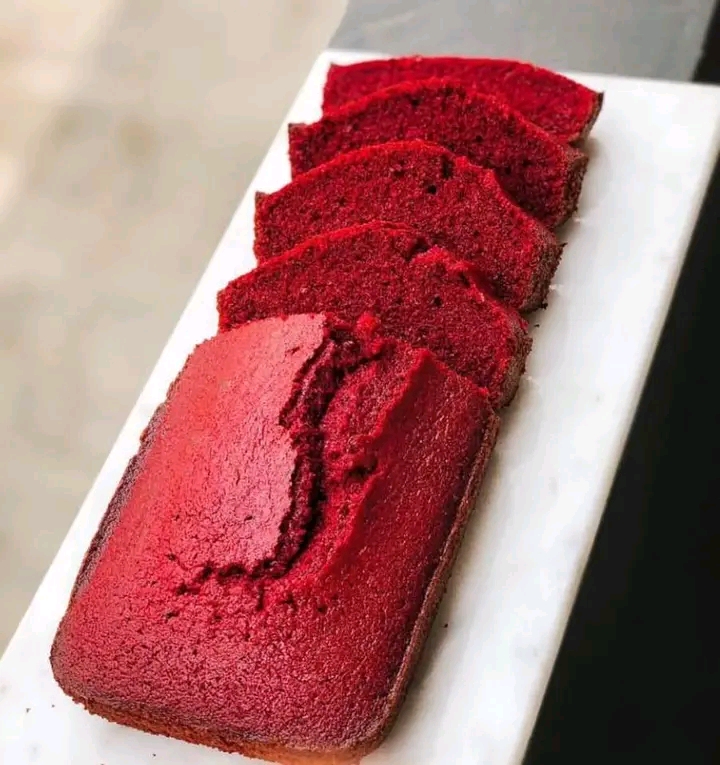
- Red velvet or carrot cake: Cream cheese frosting is classic and pairs perfectly.
Personal Story: My First Decorated Cake
I’ll never forget my first decorated cake. I tried piping flowers and ended up with what looked like a colorful blob. But the experience taught me patience and technique. Now, I can confidently share how to make cake look professional with simple, elegant designs. The key lesson? Don’t rush. Enjoy the process and let your creativity shine.
Key Takeaways
- Choose frosting that complements your cake type.
- Apply a crumb coat before final frosting for smooth results.
- Use piping and decorative techniques for visual appeal.
- Add personal touches like fruit, nuts, or fondant.
- Don’t stress about perfection—practice improves skill.
Decorating transforms your cake from simple to spectacular. With practice and the right techniques, anyone can learn how to make cake look as amazing as it tastes.
Serving & Storing Cake
You’ve baked, cooled, and decorated your cake—now it’s time to enjoy the fruits of your labor. Learning how to make cake isn’t just about creating a delicious dessert; it’s about serving it perfectly and storing it to maintain freshness.
Serving Your Cake
- Slicing tips: Use a sharp, serrated knife for clean cuts. Warm the knife slightly under hot water and wipe between slices for a smooth finish.
- Portion sizes: Standard slices are about 1–2 inches wide, but adjust based on the occasion and number of guests.
- Presentation: Serve on a cake stand or platter to elevate the experience. Fresh fruit, sprinkles, or a light dusting of powdered sugar can add a professional touch.
For those following a step-by-step guide to make cake, serving is just as important as baking. A beautifully presented cake enhances the eating experience and makes your effort feel rewarding.
Storing Cake Properly
Even the most delicious cake can dry out quickly if not stored correctly.
- Room temperature: Most cakes without perishable frosting (like buttercream or whipped cream) can be stored at room temperature, covered with a cake dome or wrapped in plastic wrap, for 1–2 days.
- Refrigeration: Cakes with cream cheese, ganache, or whipped cream frosting should be refrigerated. Wrap tightly in plastic wrap to prevent drying out. Bring to room temperature before serving for the best flavor and texture.
- Freezing: Cakes freeze well if wrapped properly in plastic wrap and placed in an airtight container. Freeze for up to 2–3 months. Thaw in the refrigerator overnight before decorating or serving.
Avoiding Common Storage Mistakes
- Cake becomes dry: Usually caused by insufficient wrapping. Ensure your cake is sealed or covered.
- Frosting separates or melts: Keep refrigerated if necessary and avoid storing in a humid environment.
- Loss of flavor: Store cakes away from strong-smelling foods, as cakes can absorb odors.
Personal Tip
I often slice leftover cake and wrap each piece individually before freezing. This makes it easy to enjoy a single serving later without compromising the rest of the cake. When I serve a cake that’s been stored well, it tastes just as fresh as the day it was baked. Learning how to make cake stay fresh is part of mastering the entire process.
Key Takeaways
- Slice and serve your cake carefully for presentation.
- Store cakes properly to maintain moisture and flavor.
- Refrigerate perishable frosting and bring to room temperature before serving.
- Freeze cakes for long-term storage and thaw properly.
Serving and storing are the final touches that ensure your hard work shines. With the right techniques, every cake you make can stay fresh, moist, and delicious for all to enjoy.
Common Mistakes & Troubleshooting
Even seasoned bakers make mistakes, especially when learning how to make cake. Understanding common pitfalls and knowing how to fix them can save you time, frustration, and ingredients. In this section, we’ll explore the most frequent baking errors and practical solutions.
Mistake 1: Cake Doesn’t Rise
One of the most frustrating issues is a cake that remains flat. Common causes include:
- Expired leavening agents: Baking powder and baking soda lose effectiveness over time. Always check the expiration date.
- Incorrect measurement: Too much or too little flour, sugar, or liquid can prevent proper rising.
- Overmixing batter: Excess mixing develops gluten, resulting in a dense cake.
Solution:
- Test your baking powder by mixing a small amount with hot water—if it bubbles, it’s active.
- Measure ingredients accurately using a digital scale or proper measuring cups.
- Mix dry and wet ingredients gently, just until combined.
Mistake 2: Cake Sinks in the Middle
A sunken cake is disappointing but fixable. Causes include:
- Opening the oven door too early: Sudden temperature drops can cause the cake to collapse.
- Underbaking: The center is not fully set when removed.
- Too much sugar or fat: Excess ingredients can weaken the structure.
Solution:
- Keep the oven closed until near the end of baking time.
- Check doneness with a toothpick or spring-back test.
- Adjust sugar or fat slightly in the next attempt.
Mistake 3: Cake is Dry or Crumbly
Dry cakes are usually caused by overbaking, overmixing, or too little liquid.
Solution:
- Reduce baking time or lower the oven temperature slightly.
- Use buttermilk, yogurt, or oil to add moisture.
- Mix gently to avoid developing too much gluten.
Mistake 4: Cake Sticks to the Pan
Even well-prepared bakers face this problem. Causes include inadequate greasing, not lining the pan, or removing the cake too soon.
Solution:
- Grease and flour your pan or use parchment paper.
- Let the cake cool for 10–15 minutes before attempting removal.
- Run a thin knife around edges for safer release.
Mistake 5: Uneven or Cracked Cake Top
Uneven cakes are visually unappealing and can be caused by:
- Oven temperature too high
- Overfilled pans
- Uneven oven heat distribution
Solution:
- Use an oven thermometer to ensure accurate temperature.
- Fill pans no more than two-thirds full.
- Rotate the cake halfway through baking if your oven has hot spots.
Mistake 6: Frosting Issues
Common frosting problems include separation, melting, or crumbs mixing in. Causes:
- Frosting too soft or applied to warm cake
- Crumbs not sealed before final layer
- Humidity affecting consistency
Solution:
- Chill the cake before frosting.
- Apply a thin crumb coat first.
- Store decorated cakes in a cool, dry environment.
Bonus Troubleshooting Tips
- How to make cake moist again: Brush with simple syrup or milk.
- How to fix uneven layers: Trim the tops with a serrated knife and stack carefully.
- How to recover overbaked cake: Serve with frosting, sauces, or as cake crumbs in desserts.
Personal Tip
I remember my first chocolate cake sinking in the middle—it was heartbreaking. After analyzing each step, I realized my oven was slightly cooler than the dial indicated. Adjusting placement and temperature resolved the issue, and now every cake I bake rises beautifully. Learning how to make cake consistently means observing, adjusting, and experimenting. Mistakes aren’t failures—they’re lessons.
Key Takeaways
- Check leavening agents and ingredient accuracy.
- Avoid overmixing and monitor oven temperature.
- Cool cakes properly and use crumb coats before frosting.
- Address mistakes with practical fixes instead of giving up.
Troubleshooting is part of mastering how to make cake. With patience, observation, and a few expert tricks, you can turn every mistake into a learning opportunity and bake cakes that look and taste professional.
Frequently Asked Question on how to make Cake
When learning how to make cake, it’s natural to have questions. Below are some of the most frequently asked questions, along with practical answers to help you bake like a pro.
1. How can I make cake fluffy and soft?
Fluffy cakes come from proper mixing and the right leavening. Cream butter and sugar thoroughly to trap air. Add eggs gradually, and mix dry and wet ingredients just until combined. Avoid overmixing, as this develops gluten and makes cakes dense. Using buttermilk or yogurt can also enhance softness.
2. How do I make cake without an oven?
No oven? No problem. You can bake cakes on the stovetop using a heavy-bottomed pot and trivet, in an air fryer for small cakes, or even in a microwave using a microwave-safe dish. Cooking times and techniques differ slightly, but the principles of mixing, heat, and timing remain the same.
3. How do I prevent cake from sticking to the pan?
Grease your pan with butter or oil, and line it with parchment paper. Dust lightly with flour for tricky cakes. Allow the cake to cool 10–15 minutes before attempting to remove it. Run a knife along the edges for easier release. Proper pan preparation is essential for clean results.
4. Why does my cake sink in the middle?
Common causes include underbaking, opening the oven door too early, or using too much sugar or fat. Make sure your oven is at the right temperature and don’t check the cake too soon. Test with a toothpick or spring-back method to ensure it’s fully baked.
5. How can I make cake moist?
Moisture comes from a balance of ingredients and proper baking. Don’t overbake, and consider adding liquids like milk, buttermilk, or fruit puree. Brushing baked cakes with simple syrup before frosting can also add moisture. Using oil instead of butter in certain recipes keeps cakes extra tender.
6. How long can I store cake?
- Room temperature: 1–2 days for cakes without perishable frosting.
- Refrigerator: 3–5 days for cream or ganache-based cakes.
- Freezer: 2–3 months when wrapped properly. Thaw in the refrigerator before serving.
7. Can I make cake in advance?
Yes! You can bake a cake days ahead, store it properly, and frost or decorate later. Freezing layers or whole cakes is common for long-term storage. Just remember to bring refrigerated cakes to room temperature before serving.
8. What’s the difference between buttercream, ganache, and whipped cream frosting?
- Buttercream: Rich, creamy, and versatile for spreading and piping.
- Ganache: Chocolate-based, smooth, and glossy; perfect for drips or glazing.
- Whipped cream: Light and airy; best for delicate sponge cakes.
Choose the frosting that complements your cake type and personal preference.
9. How do I avoid cracks on the cake top?
Ensure even oven temperature, don’t overfill the pan, and rotate the cake if your oven has hot spots. Proper mixing and avoiding overbaking also reduce cracking.
10. How do I learn to make cake like a professional?
Practice, patience, and observation are key. Follow step-by-step guides, experiment with flavors, master mixing and baking techniques, and pay attention to details like leveling, frosting, and decorating. Learning from mistakes is part of becoming a skilled baker.
Learning how to make cake is both an art and a science. From selecting the right ingredients to mastering mixing, baking, cooling, and decorating, every step plays a vital role in creating a delicious, visually appealing cake. While it may seem overwhelming at first, patience, practice, and attention to detail make all the difference.
We’ve covered essential techniques: proper mixing methods to achieve fluffy, soft cakes; correct baking temperatures and times; cooling and removing cakes without damage; and creative frosting and decorating tips to make your cakes stand out. We also addressed common mistakes and troubleshooting strategies, ensuring that you can handle challenges confidently. Finally, serving and storing cakes correctly preserves freshness and flavor, allowing you to enjoy your creation for days.
Remember, baking is as much about enjoyment as it is about results. Mistakes are opportunities to learn, and each cake you bake brings you closer to mastery. Whether you’re a beginner or looking to refine your skills, the knowledge shared in this guide equips you to bake cakes that impress both in taste and presentation.
Now it’s your turn! Grab your ingredients, preheat your oven, and put these tips into action. Experiment with flavors, try different frosting techniques, and don’t be afraid to get creative. Share your cake creations with friends and family, or post them online to inspire others. Start your baking journey today and discover the joy of mastering how to make cake—your next masterpiece is just a recipe away!