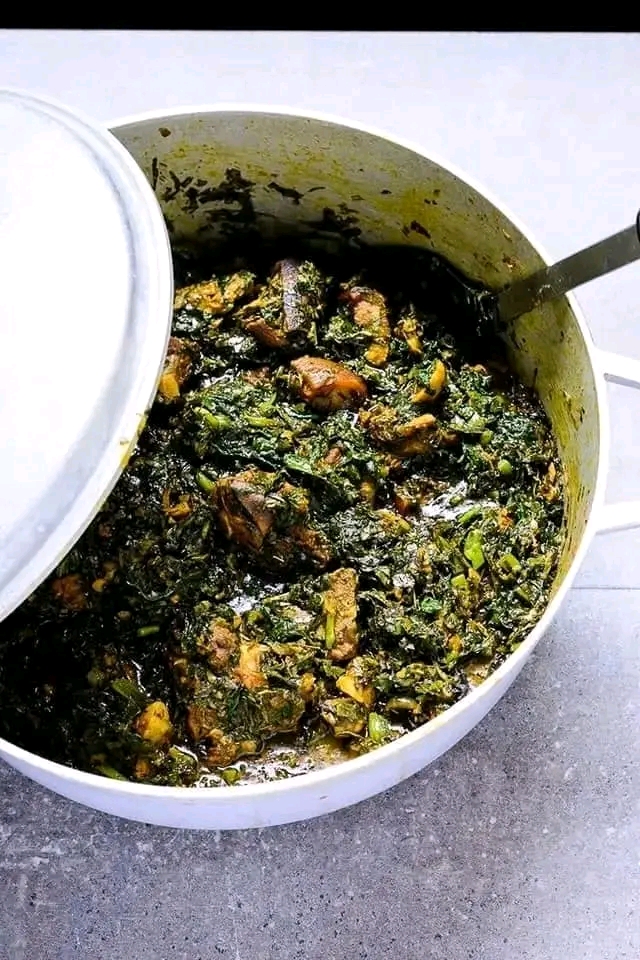
There’s no Nigerian gathering complete without a pot of Afang soup simmering on the fire. Bold in flavor, rich in culture, and heartwarming in every bite—Afang soup isn’t just food, it’s heritage on a plate. Ready to learn how to make Afang soup like a pro?
I still remember the first time I attempted to cook Afang soup—the leafy aroma filling the kitchen, the bubbling pot signaling something magical was happening. For anyone new to Nigerian cuisine or even seasoned cooks, Afang soup can seem intimidating. But over the years, I’ve mastered the balance of Afang (okazi) leaves, waterleaf, proteins, and spices, and I’m excited to share every tip and trick with you.
In this guide, I’ll walk you through how to cook Afang soup step by step, explore its variations, and even give diaspora-friendly tips so you can enjoy this authentic Nigerian delicacy anywhere.
What is Afang Soup
When I first learned about Afang soup, I was fascinated by how a simple combination of leaves, proteins, and spices could create something so rich and soulful. Originating from the Efik and Ibibio people of Southern Nigeria, Afang soup has long been a staple at family tables, weddings, and festive gatherings. It’s not just food—it’s a reflection of culture, patience, and tradition.
Afang soup is made primarily with Afang leaves, also known as okazi leaves, and waterleaf. These two greens are the heart of the dish, giving it a unique earthy flavor and slightly chewy texture that distinguishes it from other Nigerian soups. Over time, I’ve realized that the magic of Afang soup lies in layering flavors carefully—cooking meats and fish perfectly, balancing palm oil, and folding in the leaves at just the right moment.
If you’re wondering how Afang soup differs from other Nigerian soups, let me explain. Unlike Edikang Ikong, which uses a higher quantity of leafy vegetables and is slightly thicker, Afang soup is denser, thanks to the finely chopped Afang leaves. It’s slightly chewy, nutty, and very satisfying. The combination of smoked fish, stockfish, periwinkle, or assorted meats creates depth in both flavor and texture, making every spoonful a delight.
One thing I’ve learned as a cook is that preparation is everything. Afang leaves are fibrous, so pounding or finely chopping them ensures a smooth blend with the other ingredients. Waterleaf, on the other hand, provides moisture and a mild, tangy balance that keeps the soup from being too thick. When I first started cooking Afang soup, I struggled with getting the timing right—adding waterleaf too early made it soggy, while adding it too late left it too fibrous. It took practice, but once I mastered it, the result was always perfect.
Nutritionally, Afang soup is a powerhouse. The greens are packed with vitamins and minerals, while the assortment of meats and seafood adds high-quality protein. Palm oil provides healthy fats, and crayfish gives the dish that umami punch we all crave. It’s a meal that satisfies both the body and the soul—something I always emphasize to friends who are hesitant about trying Nigerian soups for the first time.
Culturally, Afang soup is more than a dish; it’s a centerpiece of social gatherings. I remember attending a friend’s wedding where the Afang soup was the highlight of the feast. Every guest raved about its richness, and the cooks took pride in perfecting the balance of greens, oil, and protein. That’s the beauty of Afang soup—it tells a story of community, patience, and culinary skill.
For anyone wanting to learn how to cook Afang soup, understanding its essence is the first step. It’s not just about following a recipe; it’s about appreciating the ingredients, respecting the cooking process, and embracing the cultural heritage behind each pot. Once you get the basics, experimenting with proteins, spices, and even slight variations becomes an enjoyable and creative process.
In the next sections, I’ll guide you through all the ingredients you need, show you the step-by-step cooking process, and even share some tips I’ve learned over the years to make sure your Afang soup turns out perfect every time. Whether you’re a beginner or an experienced cook, by the end of this guide, you’ll feel confident and inspired to make Afang soup that tastes authentically Nigerian and impresses everyone at your table.
Ingredients Needed to Cook Afang Soup
One of the first lessons I learned when mastering how to cook Afang soup is that the ingredients make all the difference. You can have perfect technique, but if the greens are tough, the meat is bland, or the seasonings are off, your Afang soup won’t reach its full potential. Over the years, I’ve learned to pay close attention to every ingredient, from the leafy greens to the tiniest pinch of crayfish, and today I’ll share all my tips with you.
1. Vegetables
- Afang (Okazi) Leaves: This is the star of the dish. Afang leaves are fibrous, slightly bitter, and nutty, giving the soup its signature texture and flavor. I always recommend finely chopping or pounding Afang leaves—this helps them integrate smoothly into the soup and prevents stringiness. If you’re cooking abroad and can’t find fresh Afang, frozen leaves work well, or you can use kale or collard greens as a substitute, though the flavor will be slightly different.
- Waterleaf: Waterleaf adds moisture and balances the earthy taste of Afang. I usually wash mine thoroughly and chop it into smaller pieces to release its juice. For those outside Nigeria, spinach can replace waterleaf, though it’s less watery, so you might need to add a little stock or water to get the right consistency.
2. Proteins
Afang soup is all about variety when it comes to protein. I love mixing meats, seafood, and sometimes even snails to create layers of flavor:
- Goat Meat & Beef: These are staples in my Afang soup. Goat meat has a distinct flavor that pairs beautifully with the richness of palm oil. I like to boil my meat until tender and flavorful before adding it to the soup.
- Stockfish & Dry Fish: These dried proteins add an intense umami flavor that fresh meat alone can’t match. I usually soak stockfish to soften it, then add it to the pot along with the other proteins.
- Periwinkle: This small mollusk adds texture and a subtle seafood taste. I always ensure it’s cleaned properly before adding it to the soup.
- Snails (optional): Snails give Afang soup a gourmet touch and a chewy texture that I personally love. If you’re new to snails, I recommend using fresh or canned snails that are already cleaned.
3. Palm Oil
Ah, palm oil—the ingredient that gives Afang soup its vibrant red color and smooth texture. I always use fresh, high-quality palm oil and add it after the meat stock is ready. Too much oil can make the soup greasy, while too little can leave it flat. Over the years, I’ve learned to balance it carefully, stirring gently so the oil blends beautifully with the greens and stock.
4. Seasonings & Spices
No Afang soup is complete without the right seasonings:
- Crayfish: Ground crayfish adds that savory, slightly nutty aroma. I usually toast mine lightly before grinding for extra depth.
- Pepper: Depending on your spice preference, I add fresh scotch bonnet or cayenne. It gives the soup a warm kick without overpowering the other flavors.
- Onions & Seasoning Cubes: Onions add sweetness and aroma, while seasoning cubes enhance the depth. I often combine them for a balanced taste.
- Salt: Adjust to taste, especially if you’re using salted proteins like stockfish or snails.
5. Optional Additions
Sometimes, for special occasions, I like to elevate my Afang soup with:
- Smoked Turkey or Chicken: Adds a smoky, savory richness that’s unforgettable.
- Assorted Seafood: Prawns or crab can make the dish feel luxurious and festive.
- Vegetarian Tweaks: For my vegetarian friends, mushrooms or tofu can replace meat without losing texture or flavor.
6. Diaspora-Friendly Ingredient Substitutions
Cooking Afang soup abroad can be tricky, but I’ve found ways to stay authentic while using available ingredients:
- Frozen Afang or Okazi Leaves: Works perfectly when fresh leaves are unavailable.
- Spinach, Kale, or Collard Greens: These can replace waterleaf or even Afang in a pinch.
- Canned Periwinkle or Snails: Easier to find and still gives the authentic texture.
- Stock or Broth: If you can’t find Nigerian meat cuts, store-bought beef or chicken stock works beautifully.
7. Preparation Tips from Experience
- Always wash your leaves thoroughly to remove grit and dirt.
- For Afang leaves, chopping finely is better than using large pieces.
- Keep proteins ready before you start cooking so you can add them at the correct stage.
- Measure palm oil carefully—its color and consistency greatly affect the final appearance of your soup.
I remember the first time I tried to cook Afang soup abroad. I struggled with the leaves, and my first attempt was a bit too watery. But once I learned these substitution tricks and preparation steps, I could make Afang soup anywhere in the world that tasted just like home.
With all the ingredients ready and properly prepped, you’re set to move into the step-by-step cooking process, which is where the magic really happens. In the next section, I’ll show you how to cook Afang soup from start to finish, sharing my personal techniques, timing tips, and tricks for perfect flavor every time.
Step-by-Step Guide: How to Cook Afang Soup
If there’s one thing I’ve learned in all my years of cooking, it’s that Afang soup is all about patience, timing, and layering flavors. When done right, it’s rich, earthy, slightly nutty, and full of depth. When done wrong… well, let’s just say even seasoned cooks have had watery or bland attempts. But don’t worry—by the end of this guide, you’ll be able to make Afang soup that tastes like it came straight from a professional Nigerian kitchen.
Step 1: Preparing Your Proteins
The first step is to get your proteins ready. In my kitchen, I like to boil my meats, stockfish, and other seafood separately before they meet the leaves. Here’s my approach:
- Meat (Goat or Beef) – Chop into bite-sized pieces. Boil with chopped onions, a pinch of salt, and seasoning cubes until tender. I usually add a little water, just enough to cover the meat, to create a flavorful stock.
- Stockfish & Dry Fish – Soak overnight or at least a few hours to soften. Remove bones if necessary.
- Periwinkle & Snails – Clean thoroughly; discard any debris. For periwinkle, rinse multiple times until the water runs clear.
I always save the meat stock to use as the base for the soup. This way, every spoonful is infused with meaty, umami-rich flavor.
Step 2: Preparing the Vegetables
Now that your proteins are ready, it’s time to prep your greens:
- Afang (Okazi) Leaves – Chop finely or pound in a mortar. I prefer chopping because it’s quicker and prevents over-mushing the leaves.
- Waterleaf – Wash and chop into small pieces. The waterleaf adds juice to the soup, giving it that slightly tangy and soft texture.
I remember my first attempt at Afang soup—chopping Afang leaves felt endless! But once you get the rhythm, it becomes meditative. Plus, finely chopped leaves cook evenly, giving that silky yet slightly chewy texture everyone loves.
Step 3: Cooking the Base
With proteins and vegetables prepped, it’s time to build the soup:
- Heat Palm Oil – Pour fresh palm oil into a large pot. Heat gently to avoid breaking it down.
- Add Crayfish & Pepper – Stir in ground crayfish and blended pepper. Let the mixture sizzle for a few minutes; this releases aroma and flavor.
- Incorporate Meat Stock – Pour in your meat stock from step 1. Bring to a gentle boil.
If you prefer a slightly thicker soup, use less water in your stock. Too much liquid can make Afang soup watery, which is a common beginner mistake.
Step 4: Adding Waterleaf
Once the base is ready:
- Add the chopped waterleaf first. Stir gently and let it simmer for 5–10 minutes.
- Waterleaf releases moisture, creating a slightly thickened, savory liquid.
Early on, I made the mistake of adding waterleaf too late. The leaves stayed tough and fibrous. Adding them at the right moment ensures the soup is soft, flavorful, and perfectly balanced.
Step 5: Incorporating Afang Leaves
Now comes the key ingredient: Afang leaves.
- Gradually fold in chopped Afang leaves while stirring gently.
- Simmer for 10–15 minutes, allowing the leaves to absorb flavors and soften slightly.
Do not overcook Afang leaves—they are meant to be slightly chewy. Overcooking can turn them mushy and lose that signature texture.
Step 6: Balancing Taste & Texture
At this stage, your soup is nearly done:
- Taste for salt, pepper, and seasoning cubes. Adjust as needed.
- Check consistency: if too thick, add a small amount of stock or water. If too thin, simmer a bit longer to reduce.
For a richer flavor, some cooks add a bit more palm oil at this stage, but I prefer to balance it so it’s not overly oily.
Step 7: Final Touches & Serving
- Add periwinkle or snails last to prevent overcooking.
- Let the soup rest for a few minutes before serving—this allows flavors to meld beautifully.
One of my proudest moments was serving Afang soup to a group of friends who had never tried Nigerian soup. Their faces lit up after the first spoonful—it was spicy, savory, and comforting. That’s when I knew I had mastered the balance.
Common Mistakes Beginners Make
- Adding waterleaf too late or too early – results in tough or soggy soup.
- Overcooking Afang leaves – leaves become mushy.
- Using too much palm oil – makes soup greasy.
- Skipping stockfish or crayfish – loses depth of flavor.
- Under-seasoning – Afang soup should be flavorful, not bland.
Taste constantly. Adjust seasonings gradually; it’s easier to add more than to fix over-salted soup.
Extra Expert Tips for Perfect Afang Soup
- Use fresh, quality palm oil—its color and aroma are vital.
- Soak dried fish and stockfish properly; this brings out maximum flavor.
- For diaspora cooking, frozen Afang leaves work well—just thaw and chop finely.
- Cook in medium heat; high heat can break down the greens too fast.
- Remember: Afang soup is about balance—texture, aroma, and flavor all matter equally.
By following these steps, you’ll be able to make Afang soup that’s hearty, authentic, and irresistible. In my kitchen, I often say: “If your soup doesn’t make you smile before you eat it, you didn’t add enough love!”
How to Cook Afang Soup Abroad (Diaspora Tips)
Cooking Afang soup outside Nigeria can feel intimidating at first. I remember my first attempt in London—I had the recipe down perfectly in my head, but sourcing authentic ingredients felt like a treasure hunt. Over time, I learned a few hacks and substitutions that help preserve the authentic taste, even when you’re far from home. Whether you live in Europe, the US, or anywhere else, you can still enjoy Afang soup that tastes like it came from a Nigerian kitchen.
1. Sourcing Ingredients Abroad
Some ingredients may be hard to find, but here’s what works for me:
- Afang (Okazi) Leaves: Frozen Afang leaves are a lifesaver. I often order them from African stores or online suppliers. If unavailable, collard greens, kale, or even finely chopped spinach can be used as a substitute. The taste changes slightly, but the texture remains similar.
- Waterleaf: Fresh waterleaf is rare outside Nigeria. Spinach is the best alternative, and I sometimes mix it with arugula to add a slight tanginess that mimics waterleaf.
- Seafood & Proteins: Stockfish and periwinkle are usually available at African or Caribbean stores. Canned periwinkle or snails work in a pinch. Shrimp and crab from local supermarkets are excellent substitutes for festive versions.
- Palm Oil: High-quality palm oil can be purchased online or in African stores. I always recommend fresh, unrefined oil—it gives Afang soup its rich color and authentic flavor.
2. Preparation Tips Abroad
Cooking Afang soup abroad requires a bit of flexibility:
- Frozen leaves: Thaw completely before chopping to avoid excess water making the soup too thin.
- Stock substitutes: If you can’t find Nigerian meat cuts, use beef or chicken stock, or even vegetable stock for a lighter version.
- Adjusting spices: Fresh peppers may differ in heat level abroad, so taste as you go.
On one occasion, I had to use kale instead of Afang leaves and canned periwinkle. I was nervous, but careful chopping, proper seasoning, and layering of flavors made the soup taste surprisingly authentic. My friends couldn’t tell the difference!
3. Cooking Tips for Consistency
Even abroad, the core principle is balance:
- Add waterleaf or spinach first to release moisture before incorporating Afang leaves.
- Simmer gently to allow flavors to meld.
- Use a heavy-bottomed pot if possible—this prevents burning and ensures even cooking.
- Taste frequently and adjust seasonings gradually.
Cooking Afang soup in smaller batches helps maintain control over texture and flavor. I usually make two pots—one for immediate consumption and one to freeze for later.
4. Freezing & Storage Abroad
One of the best things about Afang soup is that it freezes beautifully:
- Allow the soup to cool completely before storing in airtight containers.
- Freeze in portions for easy reheating.
- Thaw overnight in the fridge, then reheat gently, stirring occasionally.
Afang soup often tastes even better the next day—flavors deepen, and the leaves absorb the rich broth.
5. Cultural Adaptation Tips
Cooking Afang soup abroad is not just about the recipe—it’s about recreating a little piece of home:
- Invite friends over and share the cooking process; the aroma itself transports you home.
- Don’t stress about perfect ingredient matches; focus on taste, texture, and balance.
- Document your tweaks—over time, you’ll develop a diaspora version that works perfectly with available ingredients.
I once taught a group of colleagues how to make Afang soup with local greens and seafood. By the end, everyone was amazed at how authentic it tasted—and it sparked a new love for Nigerian cuisine!
Cooking Afang soup abroad is entirely possible with adaptation, patience, and attention to flavor balance. Even if you can’t find every traditional ingredient, careful preparation and creative substitutions will let you enjoy a pot of Afang soup that tastes just like home.
Frequently Asked Questions (FAQs) on how to How to Cook Afang Soup
Over the years of cooking and teaching friends how to make Afang soup, I’ve noticed that certain questions come up repeatedly. I’ve compiled the most common ones here, with detailed answers based on experience and practical tips.
1. Can Afang soup be cooked without waterleaf?
Yes! While traditional Afang soup uses waterleaf to add moisture and balance the earthiness of Afang leaves, it’s possible to cook it without. You can replace waterleaf with spinach or chopped lettuce. I recommend adjusting the liquid by adding a little stock or water to maintain the soup’s texture.
If you skip waterleaf entirely, simmer the Afang leaves a bit longer to release some of their natural moisture. This keeps the soup from becoming too dry.
2. Can spinach replace waterleaf when cooking Afang soup?
Absolutely. Spinach is a common substitute for waterleaf when fresh waterleaf isn’t available, especially for cooks abroad. However, spinach is less watery, so you may need to add a small amount of stock or water to achieve the classic consistency. I’ve done this several times, and while the flavor differs slightly, it still results in a delicious, authentic-tasting Afang soup.
The first time I tried spinach as a substitute, I was nervous. After careful seasoning and proper layering, my friends couldn’t tell the difference—it was rich, hearty, and comforting.
3. How long does Afang soup last in the fridge or freezer?
Afang soup keeps well thanks to the combination of cooked proteins and leafy greens:
- In the fridge: 3–4 days in an airtight container.
- In the freezer: Up to 2 months.
Portion your Afang soup before freezing. This makes reheating easier and preserves freshness. Interestingly, Afang soup often tastes better the next day—the flavors deepen and the leaves soak up the broth beautifully.
4. Can Afang soup be cooked without palm oil?
Yes, though traditional Afang soup gets its signature color and rich flavor from palm oil. If you want a palm oil-free version:
- Use vegetable oil or olive oil for a healthier, lighter option.
- The soup will have a different color and slightly different taste, but the greens, proteins, and spices still shine.
If using an alternative oil, start with a small amount and adjust gradually to avoid over-greasing the soup.
5. Does Afang soup taste better the next day?
From experience, yes! Afang soup often tastes even more flavorful the next day. Allowing the soup to rest lets the seasonings, meats, and leaves fully absorb the stock, creating a richer, deeper taste. I always recommend making Afang soup a day ahead for celebrations or family meals—it’s worth the wait.
6. Can vegetarians enjoy Afang soup?
Definitely. Afang soup can be adapted for vegetarians without losing its appeal:
- Replace meats with mushrooms, tofu, or textured vegetable protein.
- Use vegetable stock instead of meat stock.
- Maintain Afang leaves, waterleaf (or spinach), crayfish, and palm oil to preserve authentic flavor.
I once hosted a vegetarian friend who doubted Afang soup could be meat-free. By substituting mushrooms and tofu, the soup still delivered the bold, comforting taste, and she loved it!
7. What are the best side dishes to pair with Afang soup?
Afang soup is versatile and pairs wonderfully with traditional Nigerian staples:
- Fufu: cassava, yam, or cocoyam fufu
- Garri (eba): quick and easy to prepare
- Pounded yam: silky texture complements the chewy Afang leaves
- Semolina or starch: for a lighter alternative
I usually serve Eba or pounded yam for family meals and fufu for special occasions. The choice depends on personal preference, but all options soak up the soup beautifully.
8. How to thicken Afang soup if watery?
If your Afang soup turns out watery, don’t panic. Here are practical fixes:
- Simmer longer: Reduce excess liquid slowly over low heat.
- Add more Afang leaves: Finely chopped leaves help absorb liquid.
- Use ground crayfish or stockfish paste: This naturally thickens the soup while adding flavor.
- Blend a small portion of waterleaf: Acts as a thickening agent without altering taste.
Always add ingredients gradually and stir gently. Over-thickening can make the soup dense, so aim for that perfect, slightly chewy texture.
By understanding these FAQs, you can confidently handle common concerns and variations when making Afang soup. Whether adjusting for dietary preferences, ingredient availability, or consistency, these tips help ensure your Afang soup is authentic, flavorful, and enjoyable every time.
Cooking Afang soup has been a journey for me—a journey of patience, learning, and experimentation. From my early days of struggling with tough Afang leaves to perfecting the balance of flavors with palm oil, meat, seafood, and greens, I’ve realized that this soup is more than just a dish. It’s a celebration of culture, family, and the joy of cooking.
If you’re a beginner, don’t be discouraged. Even seasoned cooks make mistakes: watery soup, overcooked greens, or too much oil. The key is to taste, adjust, and trust the process. Follow the steps I’ve shared—prepping your proteins, chopping Afang leaves finely, layering flavors carefully, and understanding the timing—and you’ll create Afang soup that’s rich, flavorful, and satisfying.
For those cooking abroad, remember that substitutions like spinach for waterleaf or frozen Afang leaves can work without compromising taste. Cooking Afang soup is adaptable, and with a little creativity, you can enjoy the authentic flavors of Nigeria anywhere in the world.
Don’t forget the variations: traditional, seafood-heavy, meat-only, light, vegetarian, or festive versions. Each has its charm, and experimenting will help you find your signature Afang soup style.
Finally, I encourage you to share your creation. Invite family or friends, tell stories while cooking, and let the aromas transport you home. Cooking Afang soup isn’t just about feeding the stomach—it’s about nourishing the soul and connecting with culture.
So, pick up your knife, chop those Afang leaves, and start your cooking adventure today. Your first pot might not be perfect, but with every attempt, your skills will grow, and the flavors will deepen. Remember: great Afang soup is made with love, patience, and practice.
Try making Afang soup this week and share your experience! Take note of what works best for you, experiment with variations, and don’t be afraid to personalize it. The joy is in the journey—and in every delicious spoonful.