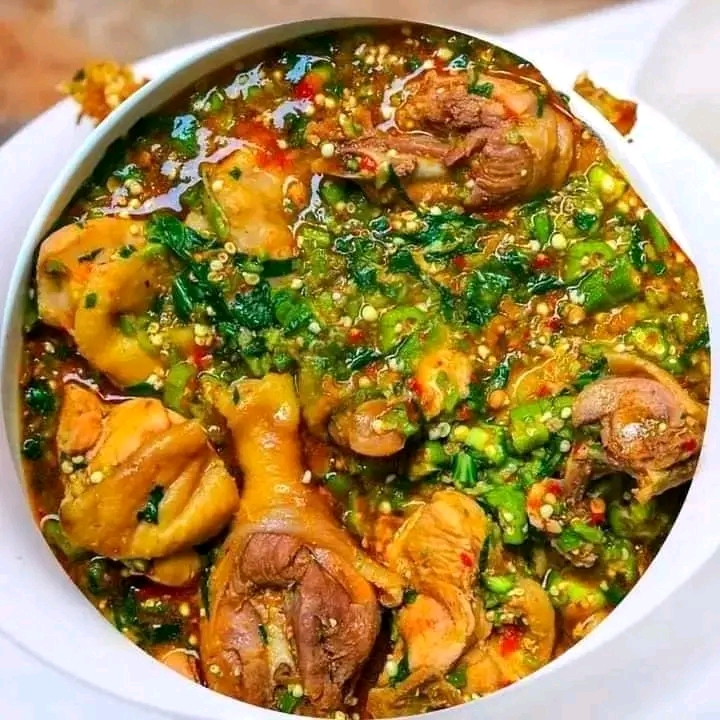
Are you tired of slimy or watery okro soup? I’ve been there too. But after countless experiments, I discovered the exact techniques that transform fresh okro into a thick, flavorful, crowd-pleasing Nigerian soup. Stick around—I’ll show you exactly how to cook okro soup perfectly every time.
There’s a secret in every Nigerian kitchen that makes okro soup irresistible. I spent years chasing it—tasting countless versions, experimenting with textures, and even failing spectacularly. Today, I’ll reveal how to cook okro soup perfectly, so your family and friends can’t stop asking for seconds.
This article is your ultimate guide on how to cook okro soup. I’ll walk you through every step, from selecting the freshest ingredients to achieving the perfect consistency. You’ll also discover tips for adding meats, fish, and spices that will impress anyone at your dinner table.
At its core, okro soup is made from fresh okro (also called lady’s fingers), which gives the soup its signature slightly slimy, viscous texture. But don’t let that scare you—once you master it, the texture is part of the magic.
Okro soup has roots in traditional Nigerian cuisine, often associated with the Igbo, Yoruba, and Edo peoples. Each region has its subtle variations, but the essence remains: a rich, hearty soup that’s perfect with fufu, pounded yam, eba, or amala. Growing up, I remember my mother serving it on weekends, turning ordinary meals into gatherings full of laughter and conversation.
In my early attempts to cook okro soup, I didn’t fully appreciate the cultural significance. It wasn’t just about feeding the family—it was about carrying on a tradition, connecting generations, and preserving the flavors of our heritage. Every time I cook okro soup, I feel that connection, and I want anyone trying this recipe to feel it too.
Okro is more than just a tasty vegetable—it’s packed with nutrients. Rich in fiber, vitamins A and C, and essential minerals, it supports digestion, boosts immunity, and even helps regulate blood sugar. When you combine okro with proteins like fish, chicken, or beef, you get a well-rounded, nutritious meal that’s as satisfying as it is healthy.
One of the things I love sharing with friends is that okro soup isn’t just about indulgence—it’s smart cooking. With fresh vegetables, lean proteins, and minimal oil (or the right amount of palm oil), you can create a meal that’s both authentic and health-conscious.
The defining feature of okro soup is its slightly slippery consistency. Some people are intimidated by the “slimy” texture, but that’s exactly what helps it cling to fufu or other swallow options. Personally, I found that mastering this texture took practice—too watery and it’s unappealing, too thick and it loses its characteristic feel.
Flavor-wise, okro soup is deeply savory, with a balance of spices, smoked fish, crayfish, and sometimes meat or stockfish. When I cook, I focus on layering flavors—sautéing onions and peppers, blending spices, and gently cooking the okro to retain freshness. The result is a soup that’s aromatic, rich, and unforgettable.
Ingredients Needed to Cook Okro Soup
Whenever I cook okro soup, I start by laying out all my ingredients. The right quantities make a huge difference—not just in flavor, but in texture and balance. Over the years, I’ve learned that fresh, properly measured ingredients turn a good soup into something unforgettable.
The Star Ingredient: Okro
- Okro: 500g, fresh – This is the backbone of the soup. I always choose firm, crisp okro. Slice them into thin rounds, about ½ cm thick. Pro tip: chop them just before cooking to retain color and texture.
Proteins: Meat and Fish
A good okro soup isn’t complete without protein. Here’s my preferred mix:
- Beef or goat meat: 500g – Cubed, with a little fat for flavor.
- Stockfish: 100g – Soaked in warm water for about 30 minutes to soften.
- Smoked fish: 200g – Deboned and shredded for aroma and umami.
- Optional: Chicken: 300g – Cut into bite-sized pieces if you want a mixed-protein version.
I like to parboil the meat with a pinch of salt and one seasoning cube. It tenderizes the meat and builds a solid flavor base.
Vegetables and Herbs
- Spinach or ugu leaves: 150g – Adds nutrients and balances okro’s texture.
- Onions: 1 medium (chopped) – For a sweet, aromatic base.
- Scotch bonnet or chili peppers: 2–3 – Adjust according to heat preference.
Leafy greens go in near the end, about 3–5 minutes before finishing, to keep them fresh and vibrant.
Seasonings and Condiments
- Palm oil: ½ cup (120ml) – Use unrefined red palm oil for authenticity.
- Ground crayfish: 2 tablespoons – Adds deep, nutty umami.
- Salt: 1–2 teaspoons – Adjust gradually while cooking.
- Seasoning cubes: 1–2 – Optional, depending on how flavorful your stock is.
- Optional: Ground locust beans (iru): 1 teaspoon – For a more pungent, traditional taste.
Seasoning in stages—meat, base, and okro—ensures every bite is rich and balanced.
Optional Enhancers
- Ground pepper soup spices: ½ teaspoon – Adds warmth and depth.
- Blended tomatoes: 2 medium – Slight sweetness and tang.
Shopping and Preparation Tips
When I shop for okro soup ingredients, I always:
- Select firm, unblemished okro.
- Choose fresh meats with a little marbling for flavor.
- Pick smoked or dried fish that isn’t too salty.
- Get vibrant, crisp leafy greens.
- Use bright red, aromatic palm oil.
By measuring ingredients carefully and prepping them thoughtfully, the cooking process becomes smoother, and the final soup is consistently delicious.
Step-by-Step Guide: How to Cook Okro Soup
When I first learned to make okro soup, I was nervous about getting the texture and flavor just right. Over the years, I realized that whether you’re a complete beginner or someone who’s cooked okro soup before, there’s a “standard” way that ensures consistent, delicious results. The key lies in layering flavors, controlling sliminess, and timing everything carefully. Here’s my detailed, step-by-step guide to perfect okro soup.
Step 1: Prepare al the Okro Soup Ingredients in Advance
Before turning on the heat source, ensure everything is ready. Chop okro into thin rounds, slice onions finely, debone smoked fish, and wash leafy greens thoroughly. I like to lay everything on my countertop; it makes the cooking process smooth and less stressful.
- Okro: 500g, sliced into thin rounds
- Beef or goat meat: 500g, cubed
- Stockfish: 100g, soaked for 30 minutes
- Smoked fish: 200g, deboned and shredded
- Spinach or ugu leaves: 150g, washed
- Onion: 1 medium, finely chopped
- Scotch bonnet peppers: 2–3, adjusted to taste
- Palm oil: ½ cup (120ml)
- Ground crayfish: 2 tbsp
- Salt and seasoning cubes: 1–2, to taste
- Optional locust beans (iru): 1 tsp
I always lay everything on the counter. For first-timers, this makes the process less intimidating. For experienced cooks, it’s a way to ensure nothing is forgotten and everything is in proportion.
Step 2: Parboil the Meat
- Place beef or goat meat in a pot and cover with water.
- Add ½ tsp salt and 1 seasoning cube.
- Boil until tender, about 20–25 minutes.
- Remove the meat, reserving the stock.
Parboiling not only tenderizes the meat but also gives the soup a rich, meaty base. Experienced cooks often skip this step—but for beginners, it guarantees even cooking and more depth of flavor.
Step 3: Build the Flavor Base
- Heat ½ cup palm oil over medium heat.
- Sauté onions until translucent.
- Add ground crayfish, scotch bonnet peppers, and optional locust beans.
I always remind people to taste at this stage. Adjusting salt and spice now ensures the flavor develops evenly as the soup cooks. This step is crucial for achieving the standard taste that makes okro soup so irresistible.
Step 4: Add Proteins and Stock
- Add the parboiled meat, stockfish, and smoked fish.
- Pour in 2–3 cups of reserved stock gradually, depending on your desired consistency.
Balancing the amount of stock is key. Too much and the soup is watery; too little and it becomes thick and heavy. This is a common pitfall I see both beginners and experienced cooks make.
Step 5: Incorporate the Okro
- Lower heat to medium-low.
- Gently stir in sliced okro.
- Cook for 5–7 minutes, stirring occasionally.
The okro releases a natural mucilage that gives the soup its signature slight stickiness. First-timers often worry about sliminess, while experienced cooks sometimes overcook it. The standard: slightly firm, not mushy, slightly viscous but not overpowering.
Step 6: Add Leafy Greens
- Stir in spinach or ugu leaves about 3–5 minutes before finishing.
- Taste and adjust seasoning with salt or seasoning cubes as needed.
Adding greens last keeps their color vibrant and ensures they don’t overcook—a trick even some experienced cooks forget!
Step 7: Optional Enhancements
- ½ tsp ground pepper soup spices – for depth and warmth
- 2 medium blended tomatoes – for subtle sweetness
These tweaks elevate the soup without changing its traditional taste. I usually experiment with these based on the occasion and the crowd.
Step 8: Final Taste Check and Serving
Taste your okro soup one final time. Adjust seasoning if necessary. Serve hot with fufu, pounded yam, eba, or amala.
One of my favorite parts of cooking okro soup is this moment: the aroma, the glossy red of palm oil mingling with green okro, and the anticipation of a perfectly balanced bite. First-timers often get intimidated here—but remember, cooking okro soup is about observation, patience, and confidence in your ingredients.
Frequently Asked Questions (FAQs) About How to Cook Okro Soup
As someone who has cooked okro soup countless times, I know there are always questions—especially for first-timers or cooks experimenting with new ingredients. Here, I answer the most common queries I’ve received over the years.
1. Can okro soup be cooked without meat?
Absolutely! While traditional okro soup often includes beef, goat, or stockfish, you can make a delicious vegetarian okro soup. I’ve experimented using mushrooms, tofu, or garden eggs, and it still captures the signature flavor. The key is balancing crayfish, palm oil, and okro texture.
Tip: Add a little extra seasoning or vegetable stock to boost depth if skipping meat.
2. Can frozen okro be used instead of fresh okro?
Yes! In fact, frozen okro is a lifesaver if fresh okro isn’t available, especially abroad. Slice it properly and add it towards the end of cooking to avoid overcooking. This ensures your okro soup texture stays just right—slightly firm but naturally viscous.
Pro Tip: Always thaw partially before cooking to prevent excess water from thinning your soup.
3. How do I make okro soup less spicy for kids or sensitive eaters?
I always remove seeds from scotch bonnet peppers and use half the usual amount. Another trick is adding a little coconut milk or blended tomato to mellow the heat while keeping the soup rich and flavorful.
4. Can okro soup be cooked without palm oil?
Technically, yes, but palm oil is crucial for the authentic color, flavor, and richness of okro soup. If you must, you can use vegetable oil as a substitute, but the taste will differ. I always recommend using at least a small amount of palm oil for that signature Nigerian okro soup flavor.
5. Can I make okro soup in a pressure cooker?
Yes! I use my pressure cooker to soften meat or stockfish quickly, then add okro at the end. Just reduce the cooking time for okro to avoid it turning mushy. It’s a lifesaver for first-timers who want tender meat and perfectly cooked okro.
6. Can vegetarians enjoy okro soup?
Definitely. I’ve guided many friends who are vegetarians on making okro soup. Swap meat with mushrooms, tofu, or extra leafy greens, and increase seasoning or stock for depth. Even first-timers can easily enjoy a full-flavored vegetarian okro soup.
7. What are the best side dishes to pair with okro soup?
Okro soup pairs beautifully with a variety of Nigerian swallow foods, such as:
- Fufu (cassava or yam-based)
- Pounded yam
- Eba (garri)
- Amala
Tip: Serve your soup hot and ensure the consistency matches the swallow for easy dipping. First-timers often underestimate the importance of swallow texture in complementing okro soup.
8. How to thicken okro soup if watery?
Sometimes okro soup ends up thinner than intended, especially if using frozen okro.
- Add more sliced okro gradually and cook for a few minutes.
- Blend a small amount of cooked okro and stir it back in.
- Reduce excess water over low heat, stirring gently to prevent burning.
This is a trick I often use when teaching beginners—the right texture is crucial for a satisfying Nigerian okro soup experience.
9. Can okro soup be cooked in a slow cooker or Instant Pot?
Yes! I’ve done it myself. However:
- Reduce liquid slightly to prevent watery soup.
- Add okro towards the end in slow cookers to maintain texture.
- Season gradually—you might need more towards the end as flavors mellow during slow cooking.
10. How to adjust spice levels for first-timers?
Start mild and taste as you go. Okro soup can handle heat, but inexperienced cooks might find traditional scotch bonnet peppers too strong. Gradually increase pepper or chili flakes, and adjust according to personal taste.
Making okro soup is a journey, not a race. Over the years, I’ve taught many first-timers and even some experienced cooks that the secret to a perfect pot lies in patience, observation, and layering flavors. The right combination of okro, palm oil, crayfish, stockfish, and seasoning can transform a simple meal into a celebration of taste.
When teaching beginners, I always start with the basics: slice okro finely, add it towards the end, and ensure your proteins are properly cooked. Even small adjustments, like blending a portion of okro to thicken the soup or adding a pinch of extra seasoning, can make a world of difference. For those experimenting with vegetarian okro soup or alternative proteins, layering flavors gradually is key.
A lot of people ask me about texture. Should okro soup be slimy or thick? My answer: it’s all about personal preference, but a slightly viscous consistency makes it easier to scoop with fufu or pounded yam. Over the years, I’ve developed tricks—like controlling cooking time and using frozen okro—to ensure consistent results.
Cooking okro soup is also about sharing. I love seeing family and friends gather around the table, enjoying the rich, savory flavors together. Even if your first attempt isn’t perfect, don’t be discouraged. Each pot teaches you something new. By the third or fourth attempt, you’ll have a signature okro soup recipe that’s all your own.
So here’s my advice: embrace experimentation, taste frequently, and enjoy the process. Whether you’re cooking in Nigeria or abroad, for a small family or a big gathering, okro soup is a dish that brings people together. Start simple, follow the tips, and you’ll see how rewarding it can be.