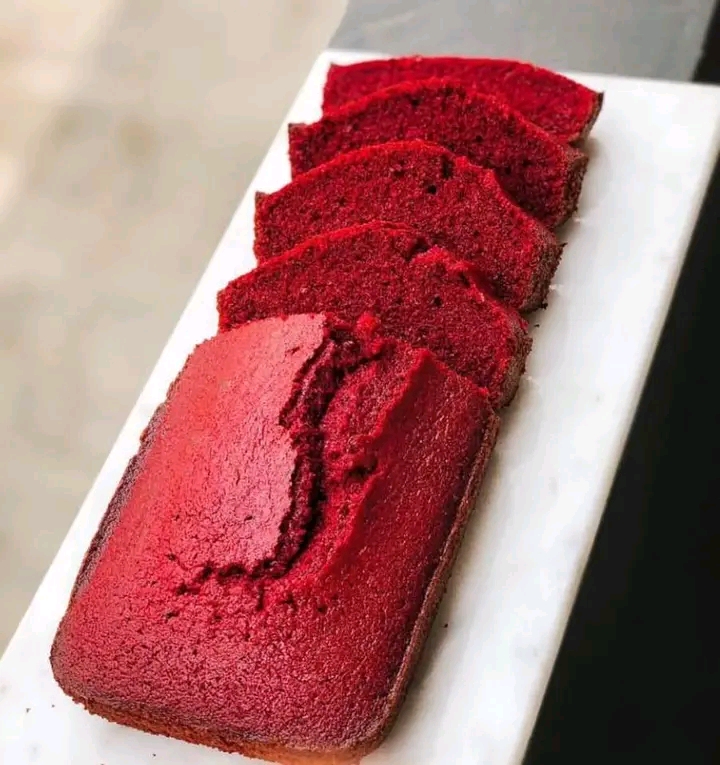
Craving bakery‑quality red velvet at home? In this friendly, expert guide, you’ll learn how to make red velvet cake from scratch—no fuss, no mystery. I’ll share the exact steps, smart tips, and fixes I teach students. Expect bold color, velvety crumb, and tangy cream cheese bliss—every single time.
If you’ve ever wondered how to make red velvet cake that looks and tastes like it came from a professional bakery, you’re in the right place. Red velvet cake is more than a dessert; it’s an experience. Its vivid color, soft crumb, and subtly tangy cream cheese frosting make it a favorite for birthdays, weddings, or any special celebration.
But here’s the truth: even though red velvet cake seems fancy, it’s not difficult. With the right approach, tips, and a little know-how, you can create a cake that rivals any bakery’s. In this guide, I’ll take you step by step—from understanding ingredients, mixing techniques, and baking tips, to perfecting that luscious frosting. You’ll also get practical advice from years of trial and error, so you can avoid common mistakes that many home bakers face.
Over time, I’ve baked dozens of red velvet cakes. Some turned out perfect, some didn’t. I’ve learned the tricks that make a cake moist instead of dry, vibrant instead of dull, and rich without being too sweet. That’s exactly what I’ll share here: practical, experience-driven advice, sprinkled with tips that make your cake a masterpiece.
Think of this as a friendly kitchen conversation. I’ll guide you, answer questions before you even ask them, and share insider tips like when to chill layers, how to achieve the perfect color, and why each ingredient matters. By the end, you’ll not only know how to make red velvet cake, but you’ll also feel confident enough to bake it again and again, impressing friends, family, or even clients if you decide to sell your creations.
So grab your mixing bowls, preheat the oven, and let’s dive into this classic cake. You’re about to turn a simple list of ingredients into a celebration-worthy dessert.
Ingredients Needed to Make a Red Velvet Cake
When it comes to how to make red velvet cake, the ingredients you choose are just as important as the steps you follow. Each ingredient has a role, and small details—like using room-temperature eggs or the type of cocoa—can make the difference between a cake that wows and one that falls flat. Here’s everything you need, along with some expert advice to ensure success.
Dry Ingredients
- All-Purpose Flour – 2 ½ cups
Flour is the foundation of your cake. Using a sifted, high-quality all-purpose flour ensures a light, tender crumb. Avoid using self-raising flour—it can alter texture and affect how the cake rises. If you’re aiming for a gluten-free red velvet cake, try an almond or rice flour blend, but note that moisture may need adjustment. - Granulated Sugar – 1 ½ cups
Sugar not only sweetens but also helps create a soft, fine crumb. For extra moisture, some bakers mix half granulated and half brown sugar. - Unsweetened Cocoa Powder – 2 tbsp
Cocoa adds subtle chocolate flavor that balances the sweetness. I recommend Dutch-processed cocoa for a deeper flavor and smoother color, but natural cocoa works too. The trick: sift cocoa with flour to avoid clumps. - Baking Soda – 1 tsp & Salt – 1 tsp
Baking soda is the leavening agent, reacting with vinegar and buttermilk to make the cake rise perfectly. Salt enhances flavor, balancing the sweetness and highlighting the cocoa.
Wet Ingredients
- Vegetable Oil – 1 ½ cups
Oil keeps the cake moist and tender, giving that classic red velvet texture. You can substitute melted butter if you prefer a richer flavor, but the crumb may be slightly denser. - Buttermilk – 1 cup (room temperature)
Buttermilk is essential for that signature tang and helps tenderize the crumb. If you don’t have buttermilk, make a substitute by adding 1 tbsp vinegar or lemon juice to 1 cup milk, letting it sit for 5 minutes. - Large Eggs – 2 (room temperature)
Eggs bind ingredients and add structure. Bringing them to room temperature helps them blend seamlessly, preventing a lumpy batter. - Vanilla Extract – 1 tsp
A splash of vanilla enhances all other flavors. It may seem small, but omitting it can make your cake taste flat.
Color & Acidity
- Red Food Coloring – 2 tbsp
Achieving that classic red velvet hue depends on food coloring. Gel-based colors are best because they won’t thin your batter. If you prefer a natural alternative, beetroot puree works—but it slightly changes taste and moisture content. - White Vinegar – 1 tsp
The vinegar reacts with baking soda to create a tender, fluffy crumb. It’s a tiny ingredient with a big impact.
For Cream Cheese Frosting
- Cream Cheese – 8 oz (softened)
The star of the frosting, giving a tangy, creamy finish. Use full-fat for best results. - Unsalted Butter – ½ cup (softened)
Soft butter helps achieve smooth, pipeable frosting. Salted butter can throw off balance. - Powdered Sugar – 4 cups
Powdered sugar gives smooth sweetness. Sift before mixing to prevent lumps. - Vanilla Extract – 1 tsp
A touch of vanilla elevates the frosting’s flavor, pairing perfectly with the cake.
Expert Tips for Ingredients
- Room Temperature Matters: Eggs and buttermilk at room temperature blend better, creating a smoother, more even batter.
- Measure Accurately: Use a kitchen scale for flour and sugar to prevent dry or dense cakes.
- Choose Your Cocoa Wisely: Dutch-processed cocoa gives richer color; natural cocoa is lighter but still delicious.
- Color Without Compromise: Gel food coloring preserves texture; liquid colors may thin batter.
- Substitutions: Don’t panic if you’re dairy-free—use plant-based milk + lemon juice and vegan butter alternatives.
By carefully selecting and preparing your ingredients, you’re already halfway to mastering how to make red velvet cake. The next step is making sure you have the right tools, which we’ll cover in the next section.
Tools Needed to bake a Red Velvet Cake
When learning how to make red velvet cake, having the right tools is just as important as using the right ingredients. The right equipment ensures even baking, a smooth crumb, and a frosting that sits beautifully. Don’t worry—you don’t need a professional kitchen, but these tools will make your life much easier.
1. Cake Pans
- Two 9-inch round cake pans are standard for a layered red velvet cake.
- Why it matters: Even-sized pans ensure layers bake uniformly and stack perfectly.
- Pro tip: Line the bottoms with parchment paper and grease lightly. This prevents sticking and ensures a smooth release.
Alternative: If you don’t have two pans, bake in one pan and slice in half once cooled—but baking in two is much easier.
2. Parchment Paper
- Why it matters: Prevents your cake from sticking and makes removing the layers effortless.
- Tip: Trace the pan bottoms onto parchment and cut the shapes before placing them inside the greased pans.
3. Mixing Tools
- Electric mixer or stand mixer – essential for combining butter, sugar, eggs, and oil without overmixing.
- Hand whisk – okay for small batches, but mixing by hand can create lumps or uneven texture.
- Tip: Use the paddle attachment if you have a stand mixer; it incorporates ingredients gently and evenly.
4. Measuring Tools
- Measuring cups and spoons – accuracy is crucial. Baking is chemistry; even small variations can affect texture.
- Kitchen scale – highly recommended for flour and sugar. It’s the most reliable way to prevent dense or dry cakes.
5. Spatulas and Spoons
- Rubber spatula – for folding wet and dry ingredients together without deflating the batter.
- Offset spatula – perfect for spreading frosting evenly across layers.
6. Cooling Tools
- Cooling rack – allows air to circulate, preventing soggy bottoms.
- Serrated knife – useful for leveling layers before frosting, giving a professional look.
7. Optional Tools for Perfection
- Cake turntable – makes frosting easier and more even.
- Pastry bag + tips – for decorative frosting designs.
- Toothpick or skewer – for checking doneness.
Expert Advice
- Don’t skimp on quality for pans and spatulas; they directly affect your results.
- Avoid metal spoons for mixing; silicone or wooden spoons are gentler and safer for nonstick pans.
- Clean tools thoroughly between steps to prevent cross-contamination and maintain smooth batter.
Having the right tools sets you up for success before you even touch your ingredients. With these at hand, you’re ready to move on to the most exciting part—mixing and baking your red velvet cake, which we’ll cover in the next section.
Step-by-Step Guide on How to Make Red Velvet Cake
This is where we transform ingredients and tools into a stunning cake. I’ll break this down into preparing the batter, achieving the perfect red color, baking, and testing for doneness. Along the way, I’ll share expert tips, common mistakes, and tricks to ensure success.
4.1 Preparing the Batter
Making a smooth, airy batter is the foundation of a perfect red velvet cake. Here’s how I do it step by step:
- Preheat the Oven – Set it to 350°F (175°C). Preheating ensures even baking and helps your cake rise properly.
- Prepare Cake Pans – Grease two 9-inch pans and line with parchment paper. Lightly dust with flour. This guarantees your layers release cleanly.
- Mix Dry Ingredients – In a medium bowl, sift together:
- 2 ½ cups all-purpose flour
- 2 tbsp unsweetened cocoa powder
- 1 tsp baking soda
- 1 tsp salt
- Cream Wet Ingredients – In a large bowl, beat:
- 1 ½ cups vegetable oil
- 1 ½ cups granulated sugar
- 2 large eggs (room temperature)
- 1 tsp vanilla extract
- Add Buttermilk and Vinegar – Alternate adding 1 cup room-temperature buttermilk and 1 tsp white vinegar with dry ingredients. Start and end with dry ingredients. Why it works: Buttermilk tenderizes, while vinegar reacts with baking soda to create a soft, fluffy crumb.
- Incorporate Food Coloring – Add 2 tbsp red gel food coloring to achieve that classic red hue. Mix gently until color is uniform.
- Fold, Don’t Overmix – Use a rubber spatula to fold ingredients. Overmixing develops gluten, making the cake dense.
4.2 Achieving the Perfect Red Color
Red velvet’s iconic color is tricky if you’re not careful. Here’s how to nail it:
- Gel vs Liquid Coloring: Gel is concentrated, so it won’t thin your batter. Liquid colors can make batter runny.
- Check Cocoa: Dutch-processed cocoa reacts differently than natural cocoa with acidic ingredients. Adjust vinegar slightly if using Dutch.
- Test a Small Batch: If unsure about intensity, bake a tiny cupcake first to check the color.
Expert Tip: Avoid overbaking; it can darken the red hue.
4.3 Baking and Testing Doneness
- Pour Batter into Pans – Divide evenly. Smooth the top with an offset spatula.
- Bake – 25–30 minutes at 350°F (175°C).
- Check Doneness – Insert a toothpick in the center. If it comes out clean or with a few crumbs, it’s done.
- Cool Properly – Let layers cool 10 minutes in pans, then transfer to a cooling rack.
Common Pitfalls:
- Cake sticking to pan → check greasing and parchment.
- Uneven layers → rotate pans halfway through baking.
4.4 Layering and Frosting
Once cooled, it’s time to assemble:
- Level Layers – Use a serrated knife to remove domed tops.
- Crumb Coat – Apply a thin layer of frosting to trap crumbs. Chill 15–20 minutes.
- Final Frosting – Use an offset spatula for smooth, even coverage.
- Decorate – Optional piping, sprinkles, or cake crumbs on top.
Expert Tip: Chill layers slightly before frosting; it prevents sliding and messy frosting.
4.5 Troubleshooting Common Issues
- Dry Cake: Ensure correct oven temperature, use room-temperature ingredients, and don’t overbake.
- Dense Cake: Fold gently, don’t overmix, and check leavening agents.
- Frosting Too Runny: Chill cream cheese and butter before mixing.
Making the Cream Cheese Frosting for a Red Velvet Cake
No red velvet cake is truly complete without creamy, tangy cream cheese frosting. It’s what gives the cake its signature flavor and luxurious texture. I’ve baked countless red velvet cakes, and I can tell you—skipping on the frosting or rushing it can turn a perfect cake into a mediocre one. But with the right technique, your frosting can be just as impressive as your cake layers.
Classic Cream Cheese Frosting Recipe
Ingredients:
- 8 oz cream cheese, softened
- ½ cup unsalted butter, softened
- 4 cups powdered sugar, sifted
- 1 tsp vanilla extract
Step-by-Step Instructions:
- Soften Ingredients – Make sure your cream cheese and butter are at room temperature. Cold ingredients lead to lumps, while over-softened ingredients can make the frosting runny.
- Cream Butter and Cream Cheese Together – Use a hand or stand mixer to beat them for 2–3 minutes until smooth and creamy. This ensures a silky texture.
- Gradually Add Powdered Sugar – Add one cup at a time on low speed. This prevents a cloud of sugar in your kitchen and ensures a smooth finish.
- Add Vanilla Extract – Beat on medium speed until fully incorporated. The vanilla enhances the tangy flavor of the cream cheese.
- Check Consistency – Frosting should be thick but spreadable. If it’s too thick, add 1 tsp milk at a time. If too thin, add more powdered sugar.
Expert Tips for Perfect Red Velvet Cake Frosting
- Full-Fat Ingredients Only – Low-fat cream cheese or butter substitutes can make frosting runny or less flavorful.
- Don’t Overbeat – Overbeating incorporates too much air, resulting in a fluffy frosting that can collapse or slide off your cake.
- Chill if Needed – On warm days, refrigerate for 15–20 minutes to firm up before frosting.
- Sift Powdered Sugar – Prevents gritty or lumpy texture and creates a silky smooth finish.
Variations to Try
- Whipped Cream Cheese Frosting – Fold in ½ cup whipped cream for a lighter, airier frosting. Great for summer cakes.
- Chocolate Cream Cheese Frosting – Add 2 tbsp cocoa powder or melted dark chocolate for a subtle chocolate twist.
- Citrus-Infused Frosting – Add 1 tsp lemon or orange zest for a fresh, tangy flavor.
- Less Sweet Frosting – Reduce powdered sugar by ½ cup if your cake is very sweet, balancing flavors perfectly.
Troubleshooting Common Issues
- Too Runny: Chill the cream cheese and butter, then rebeat. Avoid over-softened ingredients.
- Too Stiff: Beat in a teaspoon of milk or let sit at room temperature for 5–10 minutes.
- Grainy Texture: Always sift powdered sugar and mix thoroughly until smooth.
Decorating Tips
- Apply a crumb coat first. This thin layer traps crumbs and prevents them from appearing in the final frosting.
- Use an offset spatula or bench scraper for smooth, even coverage.
- Chill briefly between frosting layers to prevent sliding.
- For a professional look, pipe borders or rosettes using a piping bag and tips.
Storage Tips
- Store leftover frosting in an airtight container in the fridge for up to 5 days.
- Bring to room temperature and rebeat before use to restore smoothness.
- Can also be frozen for up to 1 month; thaw in the fridge overnight and rebeat.
With this frosting, your red velvet cake goes from great to extraordinary. Spread it carefully, decorate creatively, and your cake will look as gorgeous as it tastes. Mastering frosting is a huge part of learning how to make red velvet cake that wows every time.
Expert Tips to Make a Perfect Red Velvet Cake
Baking a red velvet cake isn’t just about following a recipe—it’s about understanding the process and knowing the little tricks that make your cake stand out. Over the years, I’ve learned that small adjustments can make a huge difference. Here’s everything I’ve discovered about how to make red velvet cake successfully.
1. Room Temperature Ingredients Are Key
One of the most common mistakes is using cold eggs, buttermilk, or butter. Cold ingredients don’t blend properly, which can lead to lumpy batter or uneven baking. Always bring eggs, buttermilk, and cream cheese to room temperature. It’s a simple step that makes your batter smoother and your frosting creamier.
Pro Tip: If you forget to let eggs sit out, place them in a bowl of warm water for 5–10 minutes—perfectly safe and fast.
2. Accurate Measurements Matter
Baking is science. Even a small error in flour, sugar, or cocoa can affect the texture and flavor.
- Use a kitchen scale for precision.
- Sift dry ingredients to avoid clumps and uneven rising.
- Avoid packing flour into measuring cups—it adds extra weight and can make the cake dense.
3. Mixing Techniques
- Cream wet ingredients properly: Beat sugar and oil until smooth and slightly pale for a soft, moist crumb.
- Fold dry ingredients gently: Overmixing develops gluten, which leads to a dense cake. Use a rubber spatula and fold until just combined.
- Alternate wet and dry: Adding a bit of dry, then a bit of wet, then dry again helps achieve a uniform batter.
4. Color and Cocoa Tips
Achieving the classic red velvet color can be tricky:
- Gel food coloring works best—it won’t thin your batter.
- Cocoa choice matters: Dutch-processed cocoa gives a deeper color; natural cocoa produces a brighter red but may need extra vinegar.
- Avoid overbaking: Even a few extra minutes can darken the red and dry the cake.
5. Common Pitfalls to Avoid
- Overmixing batter → Dense cake
- Using cold ingredients → Lumpy batter
- Skipping parchment or greasing pans → Sticking layers
- Overbaking → Dry cake and dull color
- Frosting too early → Slippery, messy finish
Following these expert tips ensures that your cake is moist, flavorful, beautifully colored, and perfectly frosted. Baking red velvet cake becomes less intimidating when you understand the reasons behind each step, not just the steps themselves.
Common Mistakes When Making a Red Velvet Cake and How to Avoid Them
Even experienced bakers run into problems when making red velvet cake. The good news? Most issues are easy to prevent if you know the common pitfalls and how to fix them. Here’s a guide to how to make red velvet cake without the usual frustrations.
1. Dense or Heavy Cake
Why it happens: Overmixing the batter or measuring flour incorrectly. Too much flour creates a thick, heavy texture.
How to avoid it:
- Use a kitchen scale for accurate flour measurements.
- Sift dry ingredients before mixing.
- Fold wet and dry ingredients gently; do not overmix.
Pro Tip: Alternate adding dry and wet ingredients, starting and ending with dry, to maintain a light texture.
2. Cake Sticking to Pans
Why it happens: Pans weren’t greased properly, or parchment paper wasn’t used.
How to avoid it:
- Grease pans lightly and line with parchment paper.
- Dust lightly with flour after greasing.
- Allow cake to cool for 10–15 minutes before attempting removal.
Quick Fix: Run a thin spatula along the edges to help release the cake.
3. Uneven Layers
Why it happens: Oven temperature variations or uneven batter distribution.
How to avoid it:
- Preheat the oven fully before baking.
- Divide batter evenly using a kitchen scale or measuring cups.
- Rotate pans halfway through baking for consistent heat.
Pro Tip: If layers dome too much, level them with a serrated knife before frosting.
4. Dull or Brown Color
Why it happens: Overbaking, wrong cocoa type, or insufficient food coloring.
How to avoid it:
- Use gel food coloring for vibrant red.
- Check cocoa type—Dutch-processed gives darker hues, natural cocoa is brighter.
- Remove cake from oven as soon as a toothpick comes out clean.
Pro Tip: Avoid opening the oven during the first 20 minutes to prevent color loss and uneven rising.
5. Dry Cake
Why it happens: Overbaking or not enough moisture in the batter.
How to avoid it:
- Follow baking times closely, and check doneness with a toothpick.
- Ensure buttermilk and oil measurements are accurate.
- Use room-temperature ingredients for better batter consistency.
Pro Tip: If your cake is slightly dry, brush layers with simple syrup (equal parts sugar and water) before frosting.
6. Frosting Issues
Common Problems: Runny, stiff, or crumb-filled frosting.
Solutions:
- Runny frosting: Chill cream cheese and butter; beat gently.
- Stiff frosting: Add a teaspoon of milk at a time.
- Crumbs in frosting: Apply a crumb coat first, chill, then finish with the final layer.
Pro Tip: Always use an offset spatula or bench scraper for smooth, professional-looking frosting.
7. Flavor Imbalances
Why it happens: Too much sugar, under-flavored frosting, or weak cocoa taste.
How to avoid it:
- Taste frosting before spreading. Adjust vanilla, lemon zest, or sugar levels.
- Ensure cocoa is sifted and fresh.
- Don’t skip the vinegar in the batter; it balances sweetness and enhances tang.
Following these strategies prevents the most common errors and ensures a moist, beautifully colored, and perfectly frosted red velvet cake. Once you master these tips, you’ll feel confident creating bakery-quality cakes at home every time.
Serving, Storage, and Presentation Tips
Baking a perfect red velvet cake is one thing, but serving and storing it correctly ensures it stays moist, delicious, and visually stunning. Over the years, I’ve learned that how you handle the cake after baking can make as much difference as the recipe itself. Here’s a guide to enjoy every slice of your creation.
1. Serving Tips
- Room Temperature is Best: Always serve your red velvet cake at room temperature. Cold cakes can dull the flavor and make frosting firmer, while slightly chilled cakes may crack when cut.
- Use a Serrated Knife: Cut clean layers by using a serrated knife in a gentle sawing motion. Wipe the knife with a damp cloth between slices for neat cuts.
- Slice Size: Red velvet is rich, so slices of 2×2 inches are often perfect—big enough to enjoy, small enough to prevent overpowering sweetness.
2. Storage Tips
- Short-Term Storage: Wrap leftover cake tightly in plastic wrap or store in an airtight container at room temperature for up to 2 days. This keeps it moist and prevents it from drying out.
- Refrigeration: For longer storage (up to 5 days), place the cake in the fridge in an airtight container. Bring to room temperature before serving for optimal texture.
- Freezing: Red velvet cake freezes well. Wrap slices or whole layers in plastic wrap, then in foil. Freeze up to 1 month. Thaw overnight in the fridge, then bring to room temperature before frosting or serving.
3. Presentation Tips
- Smooth Frosting: Use an offset spatula or bench scraper for a professional look. A crumb coat helps trap loose crumbs before the final frosting layer.
- Decorative Elements: Sprinkle cake crumbs, cocoa powder, or edible glitter lightly on top for a polished touch. Fresh berries or flowers can make it visually stunning.
- Layering Tips: If stacking multiple layers, use a toothpick or dowel in the center for stability.
FAQs About Making a Red Velvet Cake
Even after reading a complete guide on how to make red velvet cake, many bakers have lingering questions. Here are the most common FAQs I get asked, along with expert answers to help you bake with confidence.
1. Can I make red velvet cake without food coloring?
Yes! While food coloring gives red velvet its signature vibrant hue, you can rely on natural cocoa powder and beet juice for color. Keep in mind, natural alternatives may result in a subtler, earthy red, but the taste remains classic.
Pro Tip: Use gel coloring for a more vivid red without affecting the batter’s consistency.
2. Can I make red velvet cake gluten-free?
Absolutely. Substitute all-purpose flour with a gluten-free flour blend. Ensure the blend contains xanthan gum or add 1 tsp per cup of flour to maintain structure. Baking time may vary slightly, so check doneness with a toothpick.
3. How do I prevent red velvet cake from being dry?
- Measure flour accurately; too much flour dries the cake.
- Don’t overbake; check with a toothpick at 25 minutes.
- Use room-temperature ingredients for a smooth, even batter.
- Brush layers lightly with simple syrup for extra moisture if needed.
4. Can I make red velvet cake ahead of time?
Yes! You can:
- Bake layers 1–2 days in advance; wrap tightly and refrigerate.
- Freeze unfrosted layers up to 1 month. Thaw in the fridge overnight before frosting.
- Prepare frosting a day ahead; keep in an airtight container in the fridge and rebeat before use.
5. What’s the best frosting for red velvet cake?
Cream cheese frosting is the classic choice. It’s tangy, smooth, and complements the sweet, slightly chocolatey flavor of the cake. Buttercream can work too, but it’s richer and less tangy.
Pro Tip: Always chill your frosting slightly if it’s too soft before applying—it helps achieve a clean, professional finish.
6. Why does my red velvet cake turn brown instead of red?
- Overbaking can darken the red color.
- Using Dutch-processed cocoa instead of natural cocoa affects the hue.
- Insufficient food coloring can also cause a dull appearance.
Solution: Adjust coloring, bake just until a toothpick comes out clean, and choose cocoa wisely.
7. How do I store leftover red velvet cake?
- Room temperature: 2 days in an airtight container.
- Refrigeration: Up to 5 days; bring to room temperature before serving.
- Freezing: Wrap layers in plastic wrap and foil; freeze up to 1 month. Avoid freezing frosted cake.
Baking a red velvet cake may seem intimidating at first, but with the right guidance, anyone can create a moist, flavorful, and visually stunning cake. From preparing the batter to mastering the cream cheese frosting, every step plays a crucial role in achieving perfection.
Throughout this guide, we’ve covered:
- Step-by-step instructions for making the cake, including mixing, coloring, and baking.
- Cream cheese frosting techniques for smooth, tangy, and spreadable perfection.
- Expert tips for avoiding common mistakes, ensuring even layers, and achieving vibrant red color.
- Serving, storage, and presentation advice to make your cake look and taste bakery-quality.
- Frequently asked questions that address real-world challenges every baker faces.
The beauty of red velvet cake is not just in its appearance—it’s in the experience of baking, decorating, and sharing. The soft, tender layers combined with creamy frosting make it a favorite for birthdays, holidays, weddings, or simply as a treat to enjoy at home.
Don’t rush any step. Baking is both an art and a science. Take your time, measure accurately, and enjoy the process. Even if your first cake isn’t perfect, each attempt teaches you something new.
Now it’s your turn. Grab your ingredients, preheat the oven, and put these expert tips into action. With practice and patience, you can confidently create a red velvet cake that’s as delicious as it is beautiful.
Share your creations! Post photos of your homemade red velvet cake on social media, tag fellow bakers, or even start gifting them to friends and family. Every slice is a chance to impress and delight. Remember, baking red velvet cake is about learning, enjoying, and sharing your delicious masterpiece.